

Spider mites are one of the most common and frustrating pests you’ll encounter in indoor plant care. As the name suggests, they’re not actually insects but tiny arachnids, more closely related to spiders and ticks. Because of their size, they often go unnoticed until damage has already started to show. The upside is that once you know the early warning signs and understand their habits, you can catch and treat them before they take over.
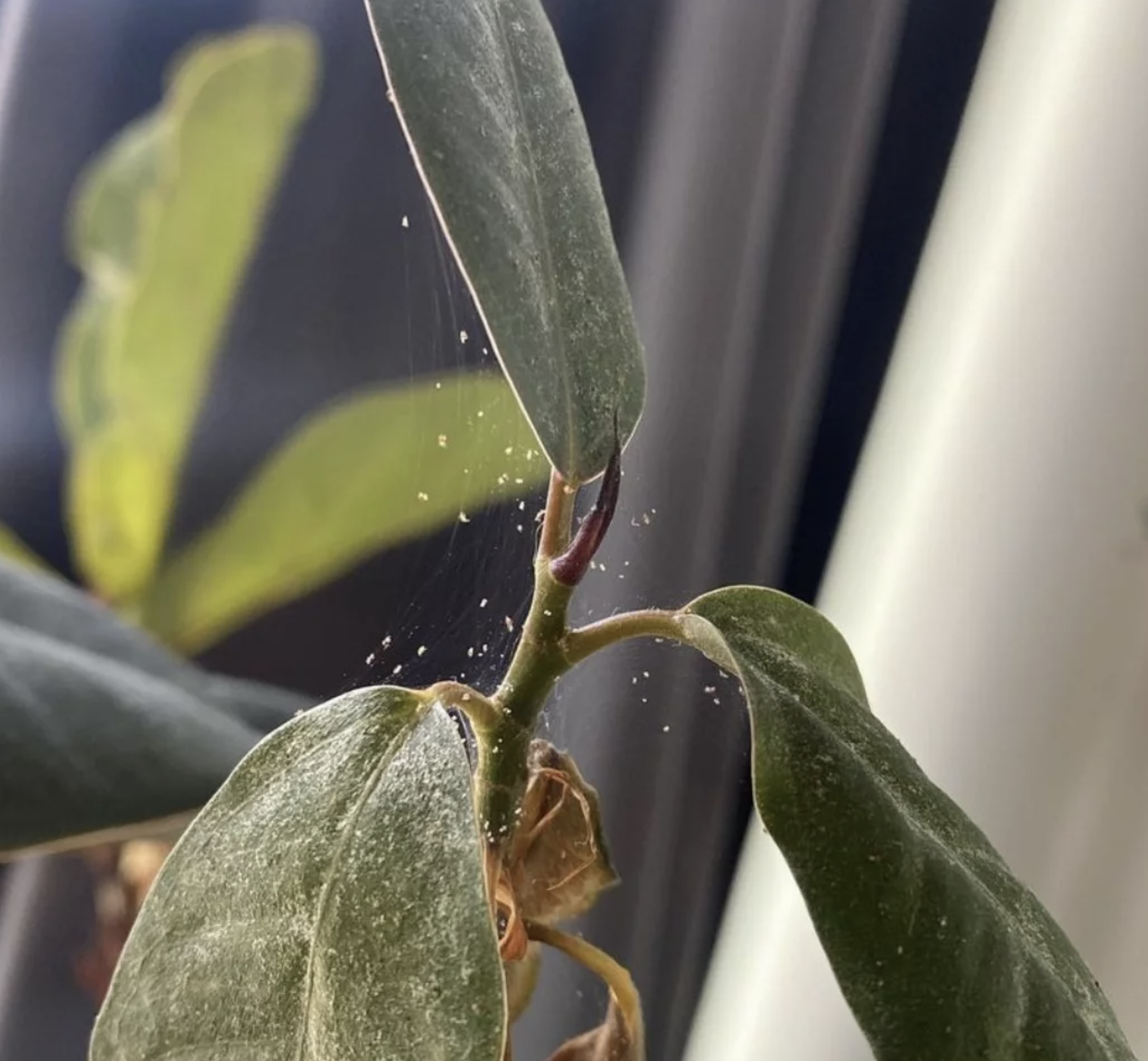
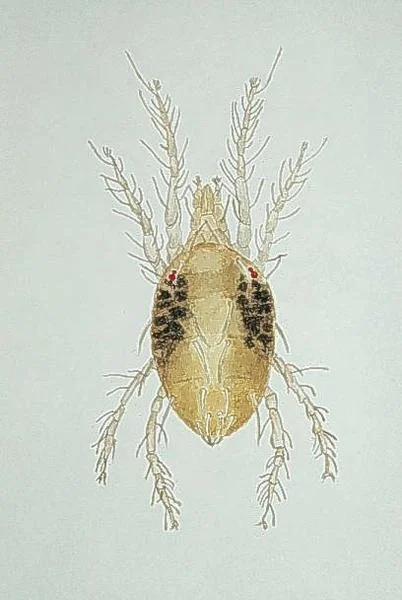
Spider mites are extremely small, often appearing as tiny moving dots on the undersides of leaves. They can range in color from pale yellow to red or brown, depending on the species and life stage. Adults have oval bodies with eight tiny legs. They live in colonies, and a single colony can contain hundreds of mites.
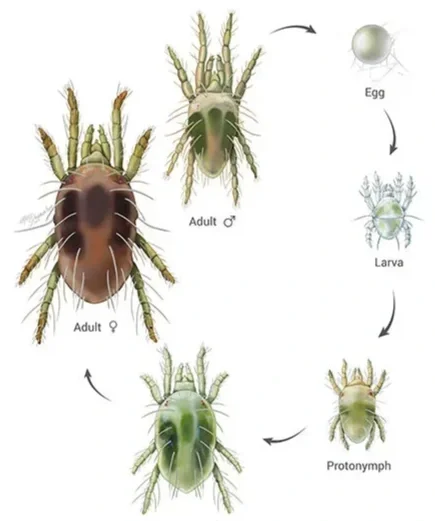
Spider mites go through egg, larva, nymph, and adult stages, and in perfect conditions, they can complete this cycle in as little as a week. This rapid reproduction means populations can explode quickly, especially indoors where conditions tend to be stable year-round. Like many plant pests, generations overlap, so you’ll often have multiple life stages present at once, making consistent treatment essential.
Spider mites thrive in dry, hot environments. Drought stressed plants and plants receiving full sunlight are often the first to be infected. They prefer stagnant air, however in outdoor settings, adults use the benefit of the wind to spread from plant to plant.
There are a few key signs that point to a spider mite infestation. Early on, you may notice tiny white or yellow speckles on leaves, known as stippling, caused by their feeding. As the problem progresses, leaves may appear dull, dry, or slightly bronzed. Fine webbing may begin to form, particularly along leaf edges or between stems. In more advanced cases, leaves can yellow, crisp up, and drop prematurely, leaving the plant looking sparse and stressed.
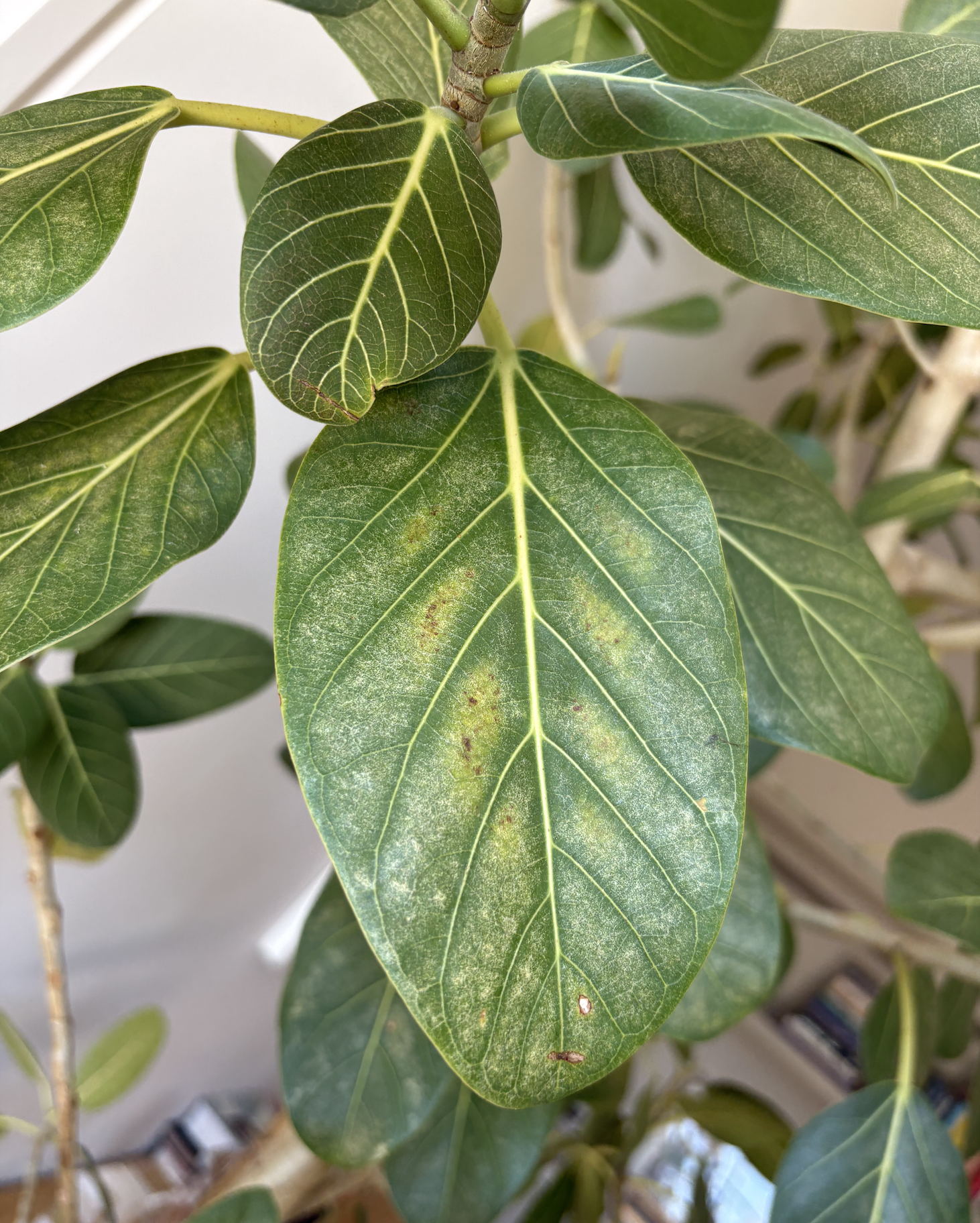
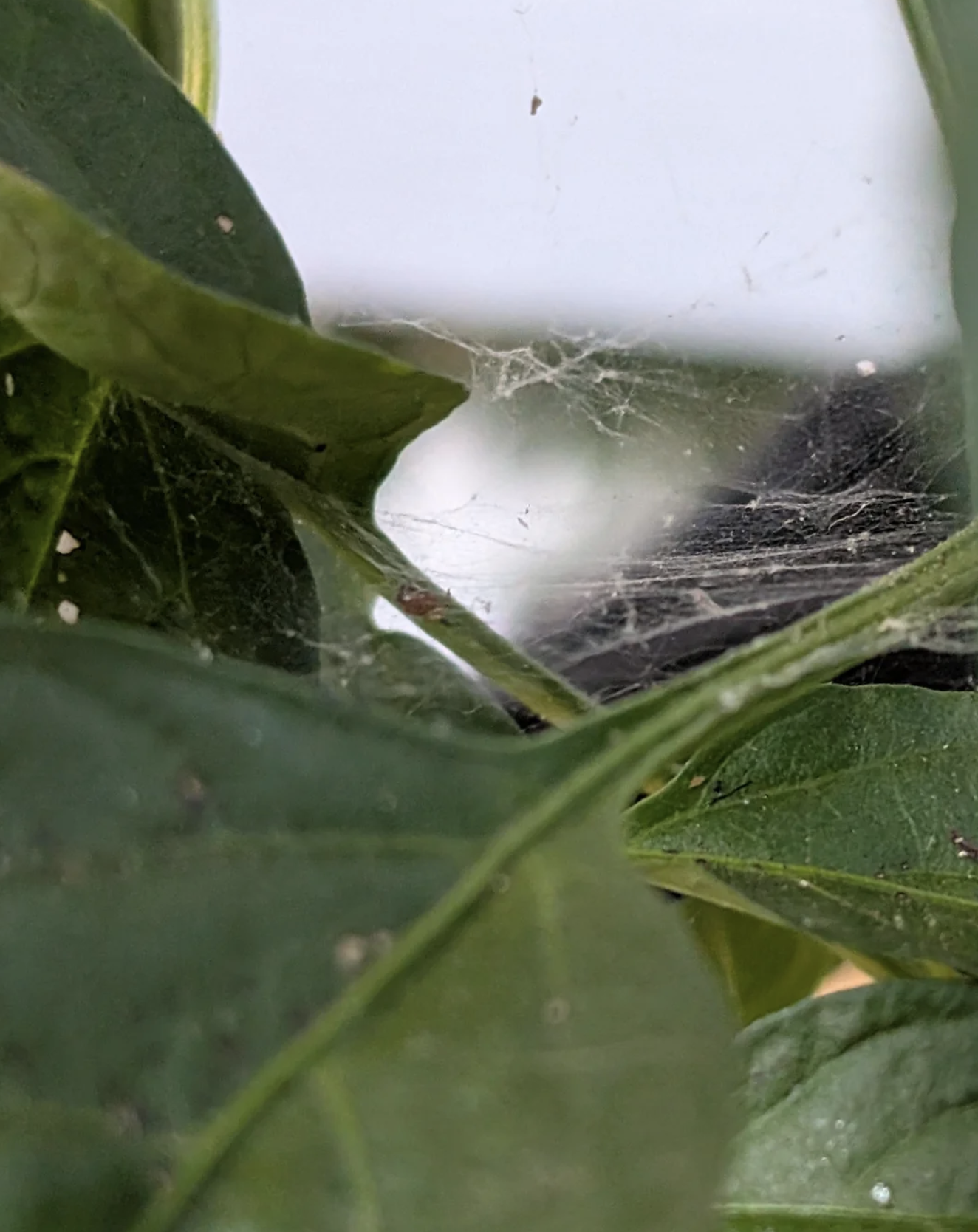
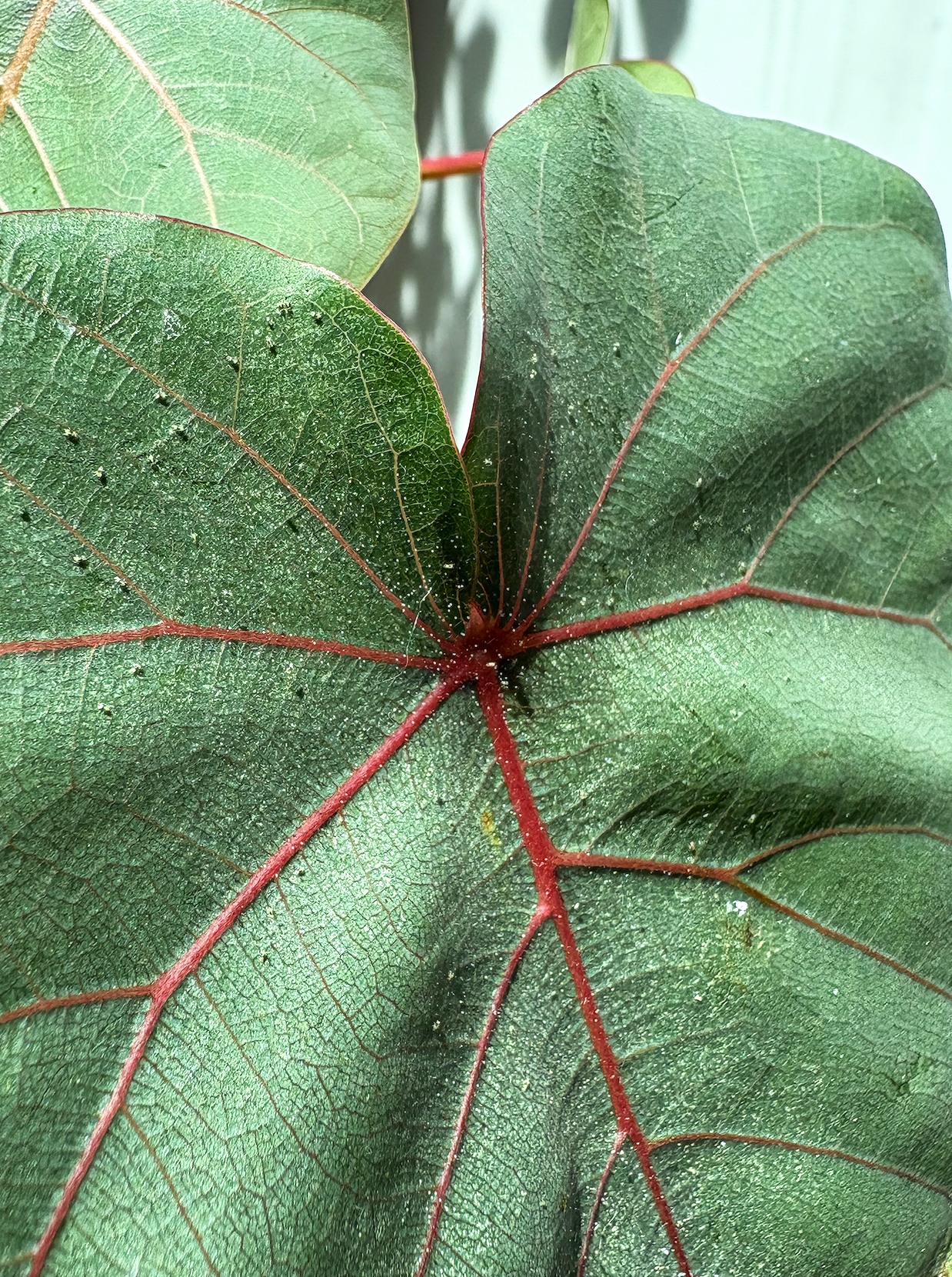
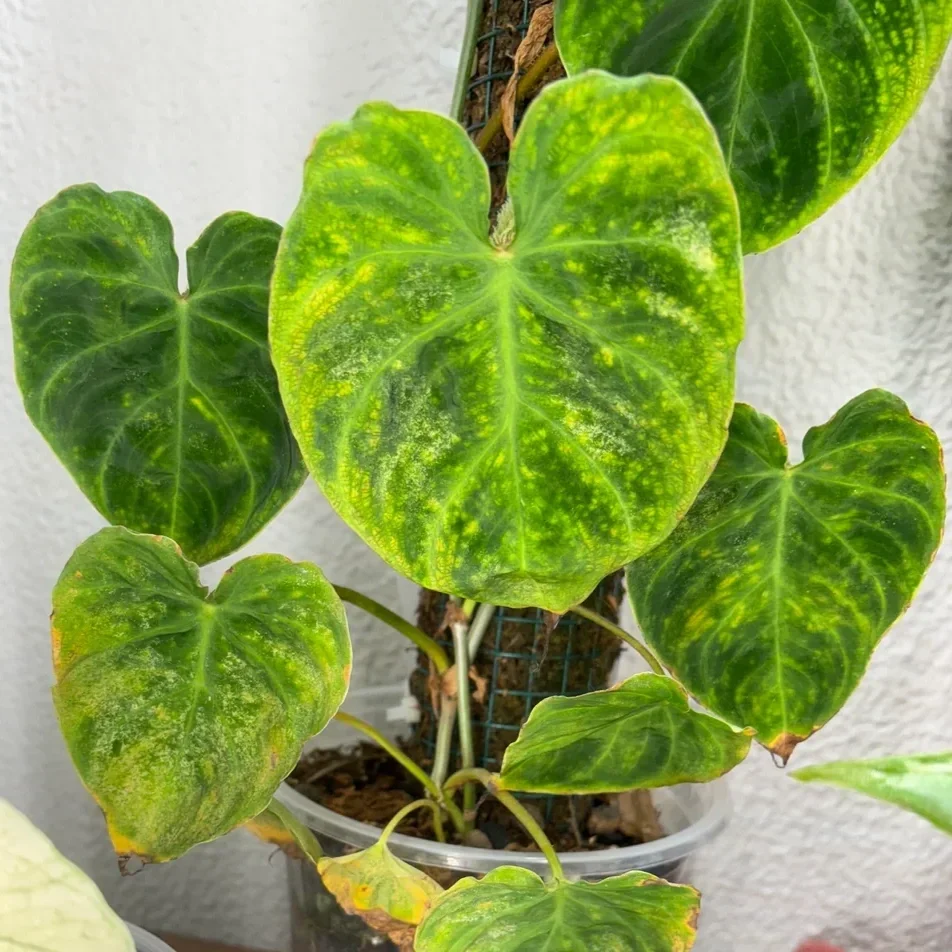
Spider mites damage plants by piercing leaf tissue and feeding on the contents of individual plant cells. This disrupts the plant’s ability to photosynthesize effectively, which is why you see that characteristic speckled or faded appearance. Over time, this loss of vigor weakens the plant, slows growth, and makes it more susceptible to other stressors. Severe infestations can lead to significant leaf loss and, if untreated, eventual plant decline.
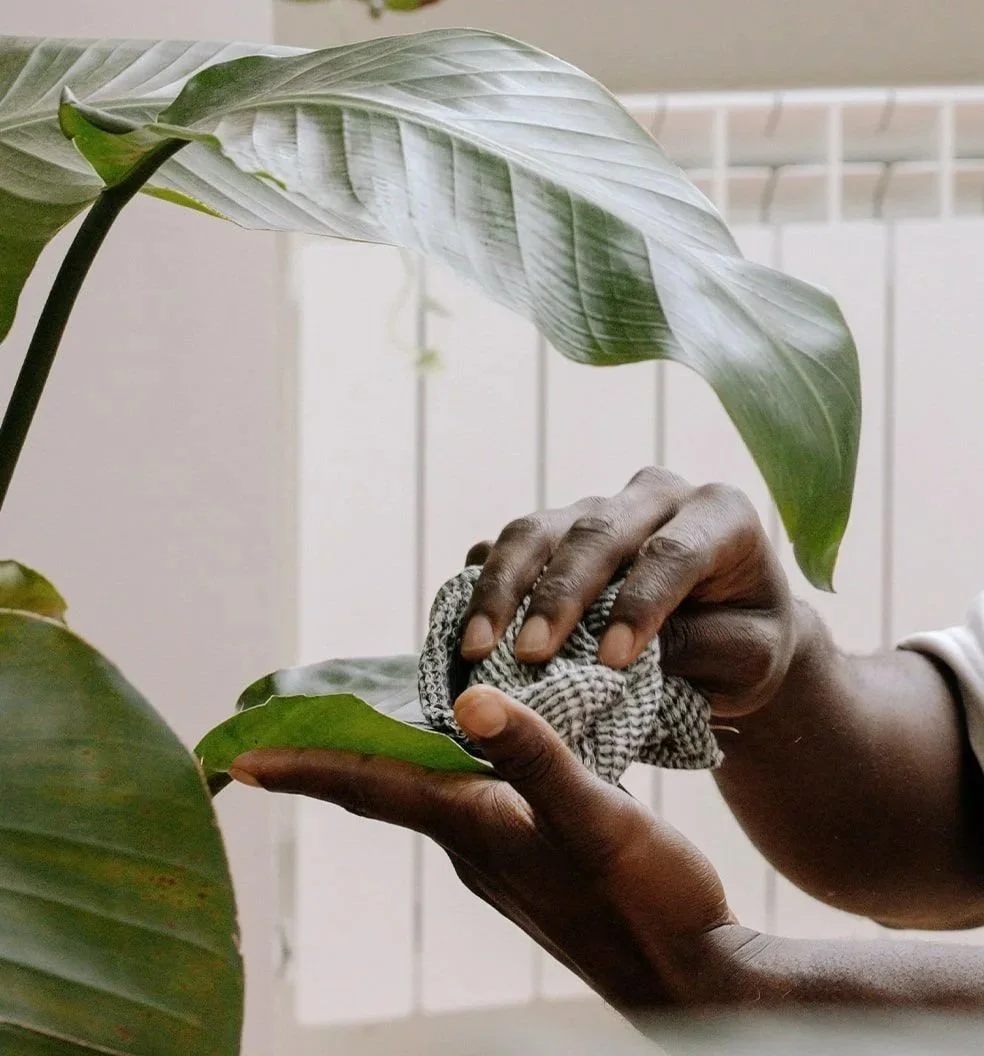
Treating spider mites requires a combination of persistence and environmental adjustment. Start by isolating the affected plant to prevent spread. Wiping the plant thoroughly, especially the undersides of leaves, can help knock down populations early on. We use Arber’s bio insecticide for spider mite treatments, as a spray and direct water treatment. Because spider mites thrive in dry conditions, increasing humidity around your plants can also help slow their reproduction.
In more severe cases, you may need to prune heavily affected foliage or repeat treatments over several weeks to fully break the lifecycle. Spider mites are particularly persistent, so consistency is key. Missing even a small population can allow them to rebound quickly, especially in warm indoor environments.
Spider mites may be tiny, but the impact they have on plant health can be significant if left unchecked. The key is early detection, regular monitoring, and a steady treatment routine. Once you’re familiar with their signs and behavior, they become much easier to manage, allowing your plants to recover and thrive without long-term damage.
