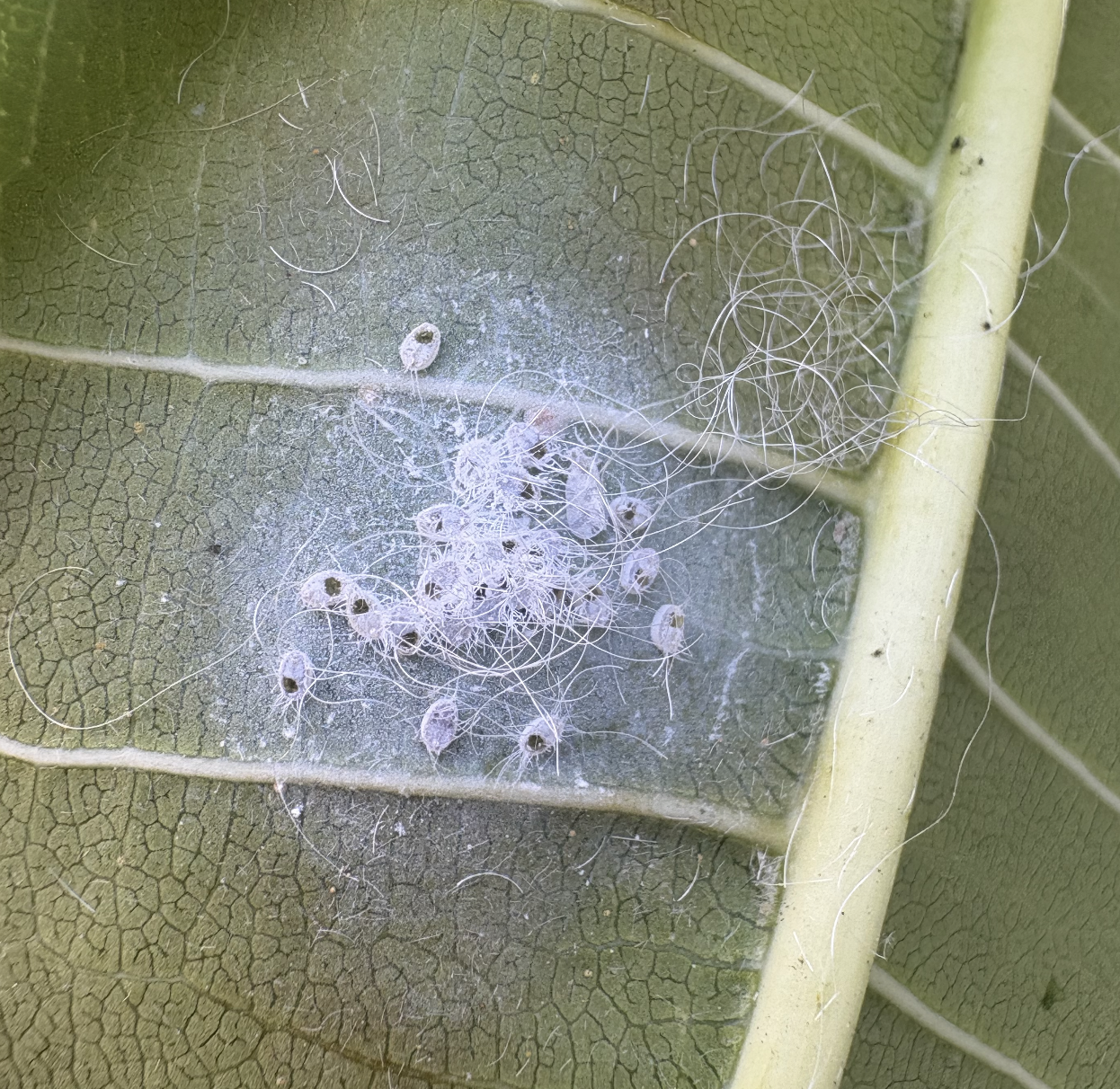
If you’ve ever noticed what looks like tiny bits of cotton tucked into your plant’s stems or leaves, chances are you’ve encountered mealybugs. These common houseplant pests are small but incredibly persistent, and they can spread quickly if left untreated.
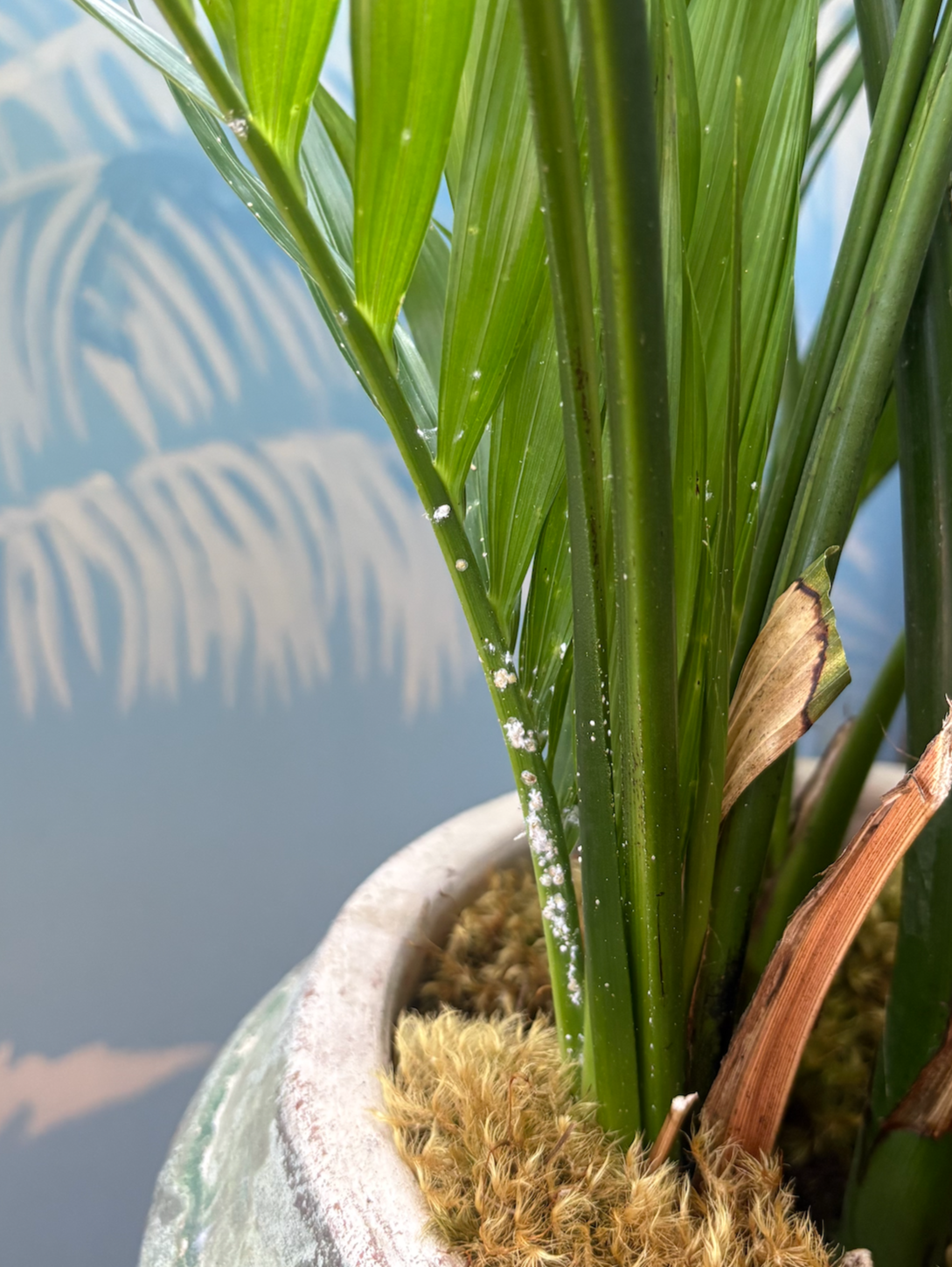
The good news is that once you know what to look for and how they behave, they’re very manageable. In this guide, we’ll walk through how to identify mealybugs, understand their lifecycle, recognize the damage they cause, and most importantly, how to get rid of them for good.
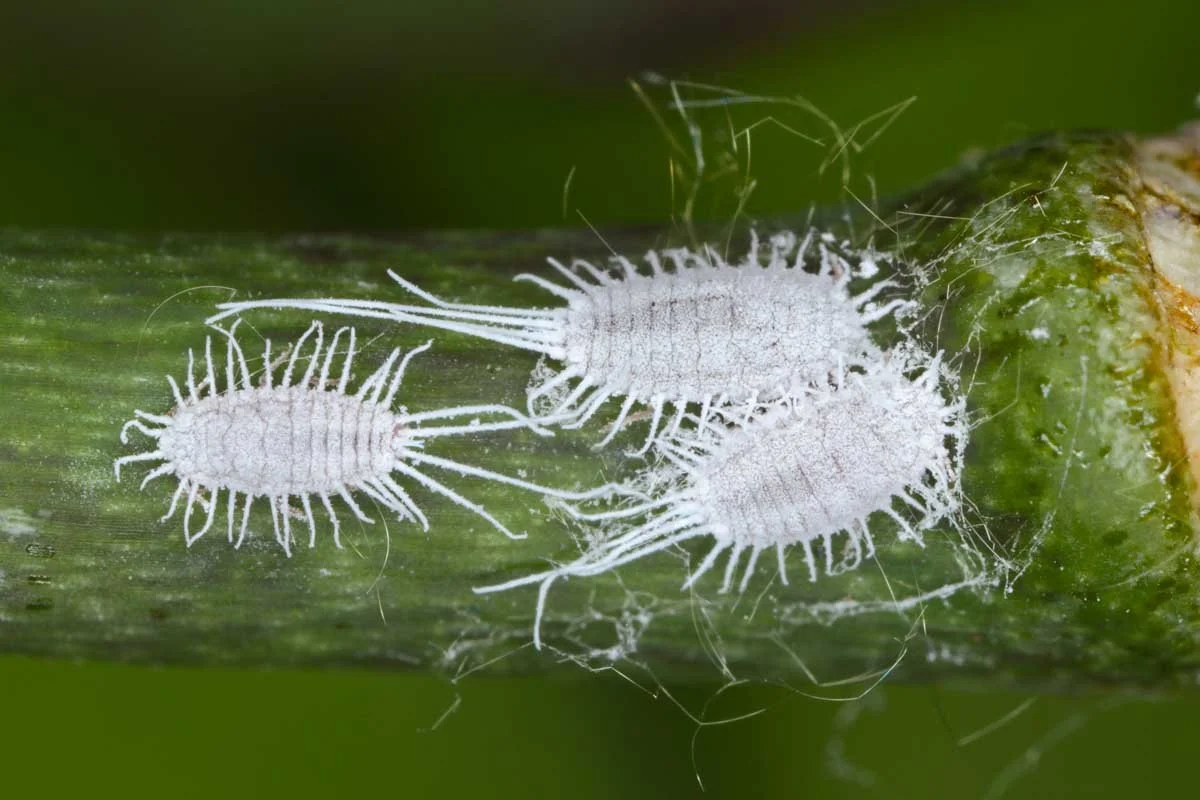
Mealybugs are soft-bodied insects covered in a white, waxy coating that gives them their signature fuzzy, cotton-like appearance. They are typically small, about 1/8 inch long, and tend to cluster in protected areas like leaf joints, along stems, and on new growth. Unlike some pests, they’re relatively easy to spot visually once you know what you’re looking for. They may also appear as fluffy masses, which are often egg sacs or colonies forming in place.
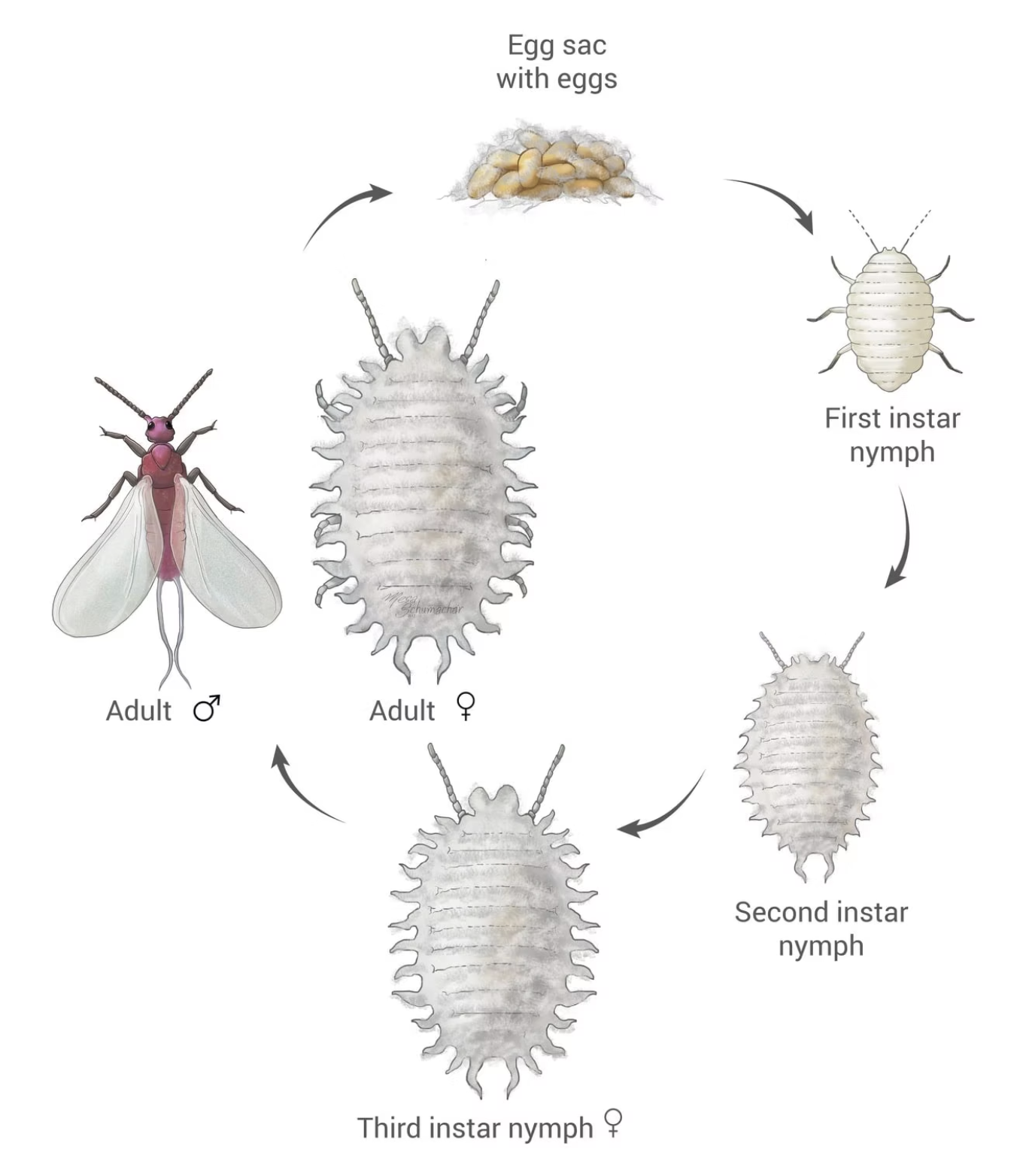
Mealybugs go through three main stages: egg, nymph, and adult. Female mealybugs can lay hundreds of eggs at a time, and under indoor conditions, the entire lifecycle can be completed in just a couple of months. Even more frustrating, generations often overlap, meaning eggs, juveniles, and adults can all be present at once. This is why a one-time treatment rarely works—consistent follow-up is key to fully eliminating an infestation.
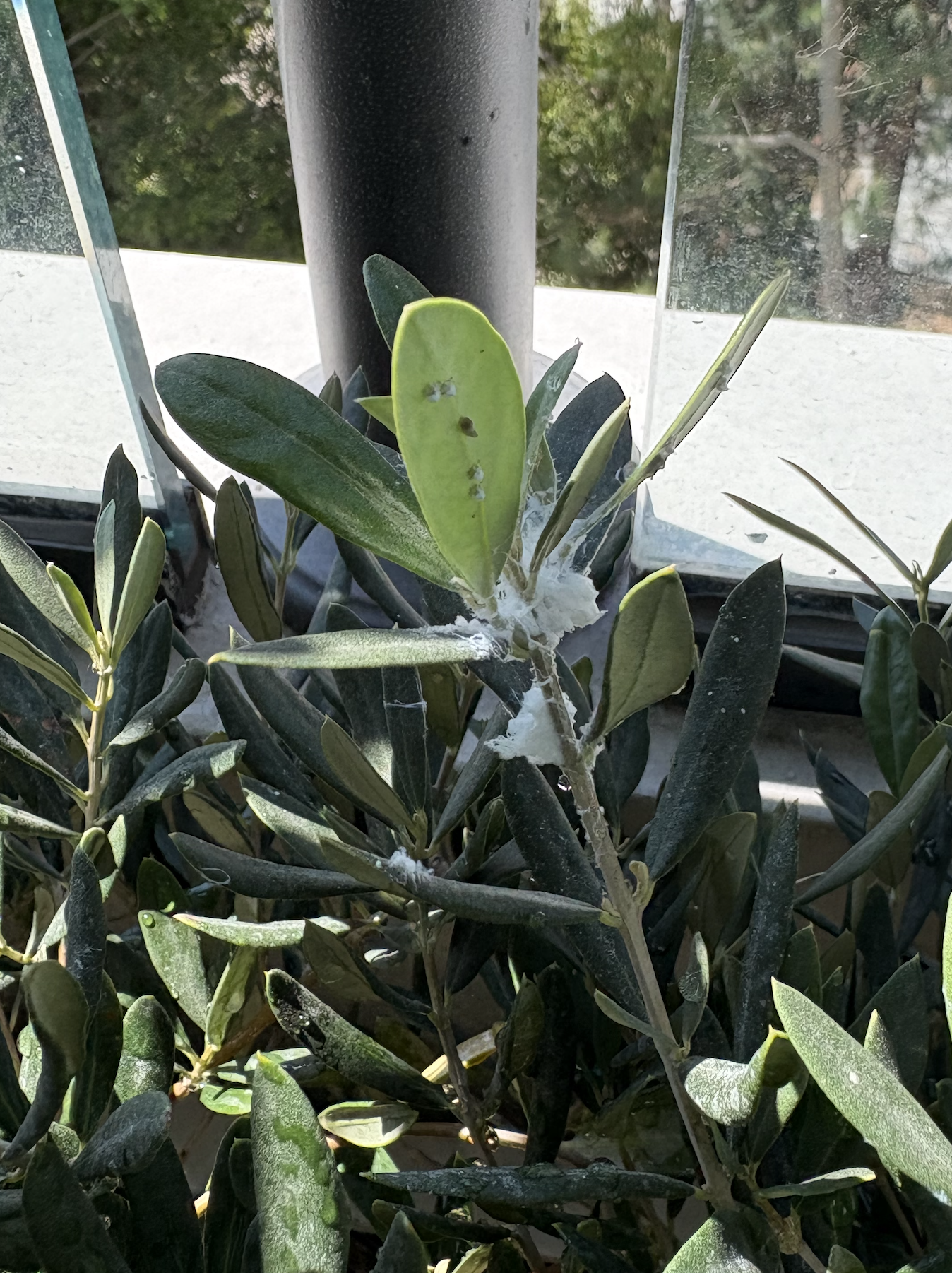
There are several clear signs that mealybugs are present, and catching them early makes all the difference. The most obvious indicator is the white, cottony clusters themselves, often found in leaf axils or along stems. You may also notice a sticky residue on leaves called honeydew, which the insects excrete as they feed. This can lead to black sooty mold forming on the plant’s surface. Other symptoms include yellowing leaves, stunted or distorted growth, leaf drop, and an overall decline in plant health.
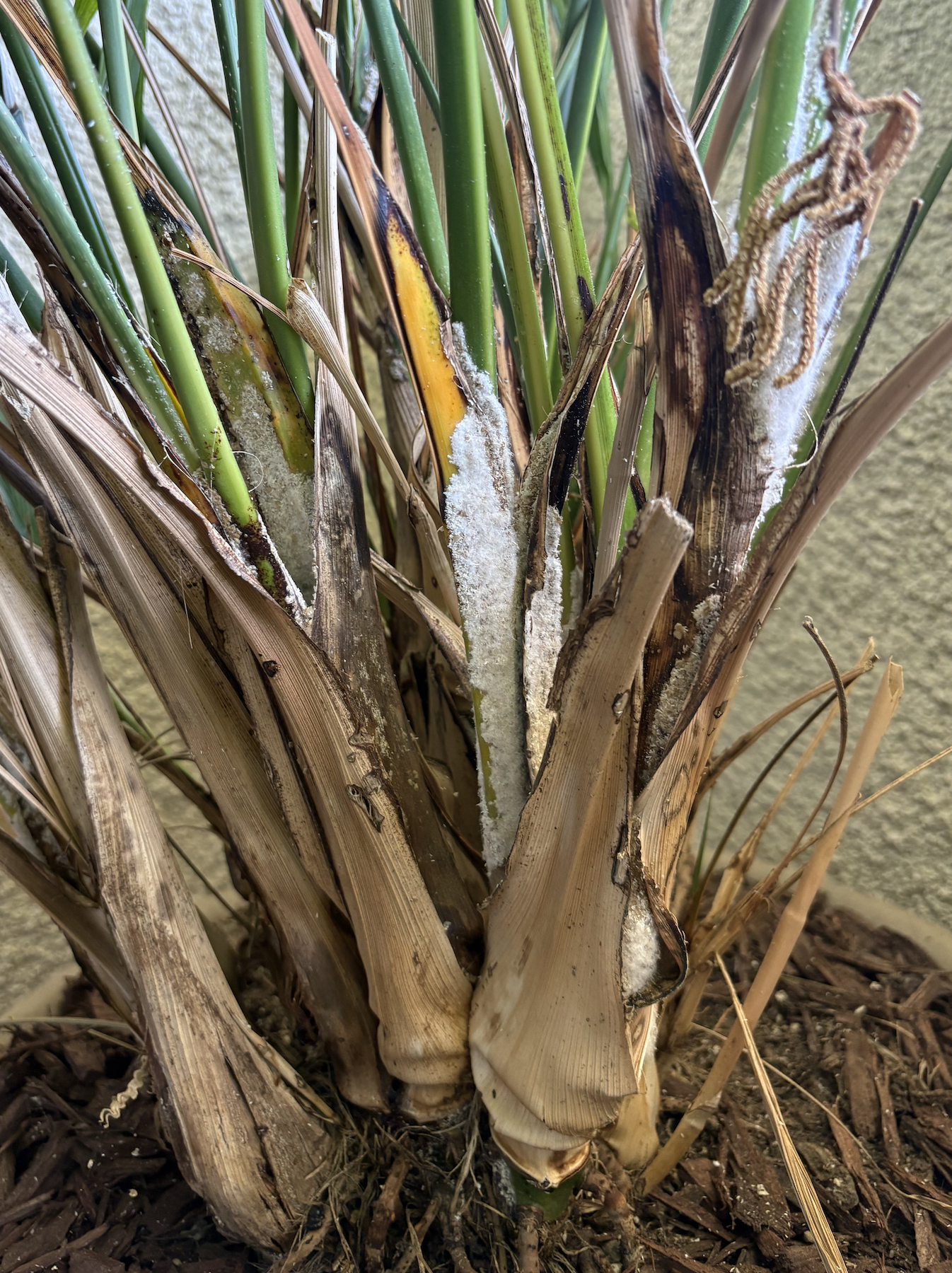
The damage mealybugs cause comes from their feeding habits. These pests use piercing mouthparts to extract sap from the plant, effectively draining it of nutrients over time. As they feed, they weaken the plant, slow its growth, and make it more vulnerable to disease. Heavy infestations can cause significant stress, including wilting, deformities, and even plant death if left untreated. Additionally, the honeydew they produce attracts ants and encourages mold growth, compounding the problem.
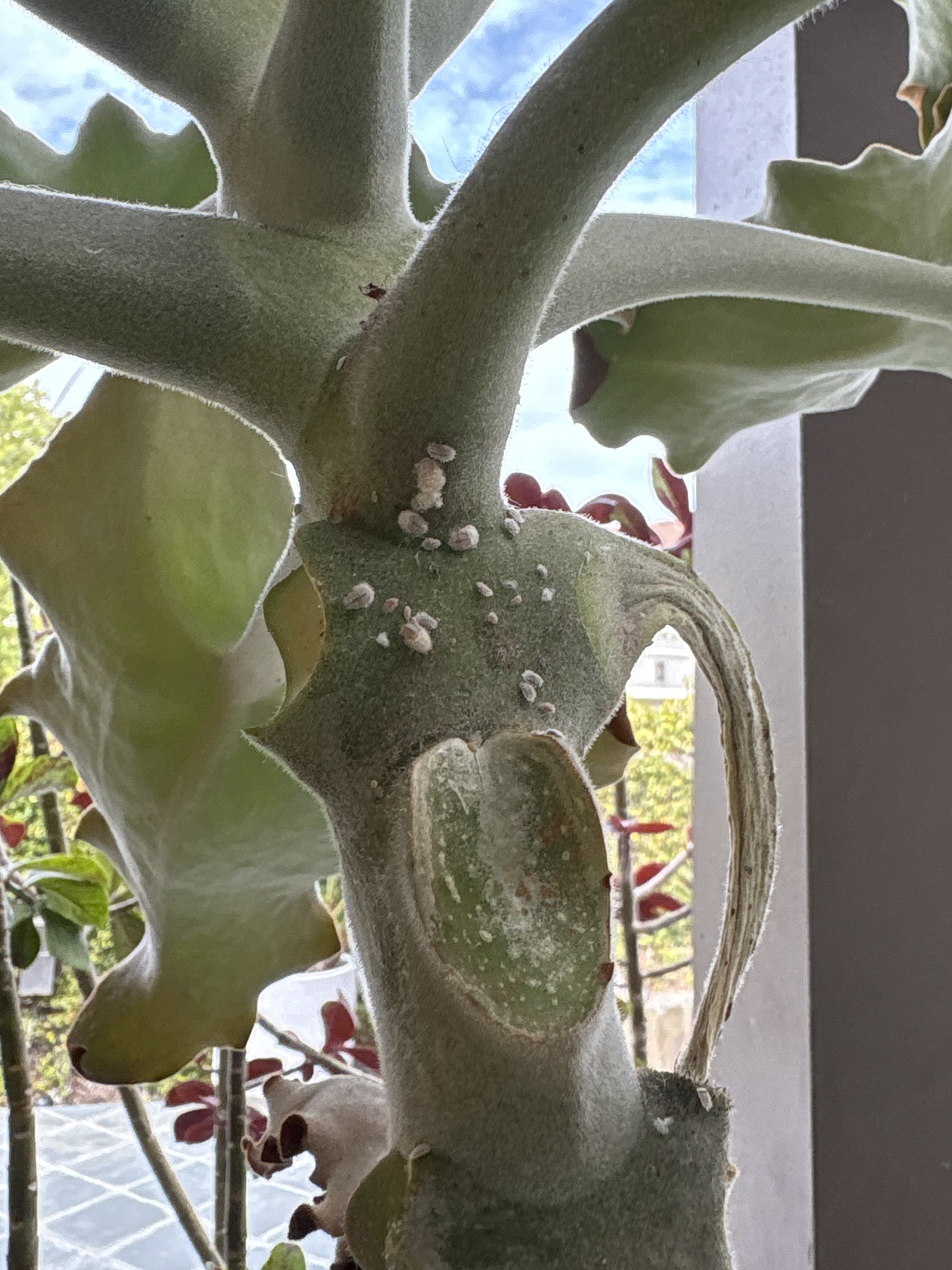
Getting rid of mealybugs requires a combination of physical removal and consistent treatment. For light infestations, manually remove them using a microfiber towel sprayed with Arber bio insecticide. For more persistent cases, pruning away infested areas will give the plant a fresh start. Taking the plant outside and gently rinsing it with water can also help dislodge them. Just as important, isolate affected plants immediately to prevent spreading, and inspect nearby plants thoroughly. Because these pests hide in crevices and reproduce quickly, consistency is more important than intensity.
Mealybugs may be one of the more frustrating houseplant pests, but they’re far from unbeatable. With early detection, a clear understanding of their lifecycle, and a steady treatment routine, you can protect your plants and restore their health. Like most plant care challenges, success comes down to consistency and attention to detail—and once you’ve dealt with them once, you’ll be much better prepared the next time they appear.