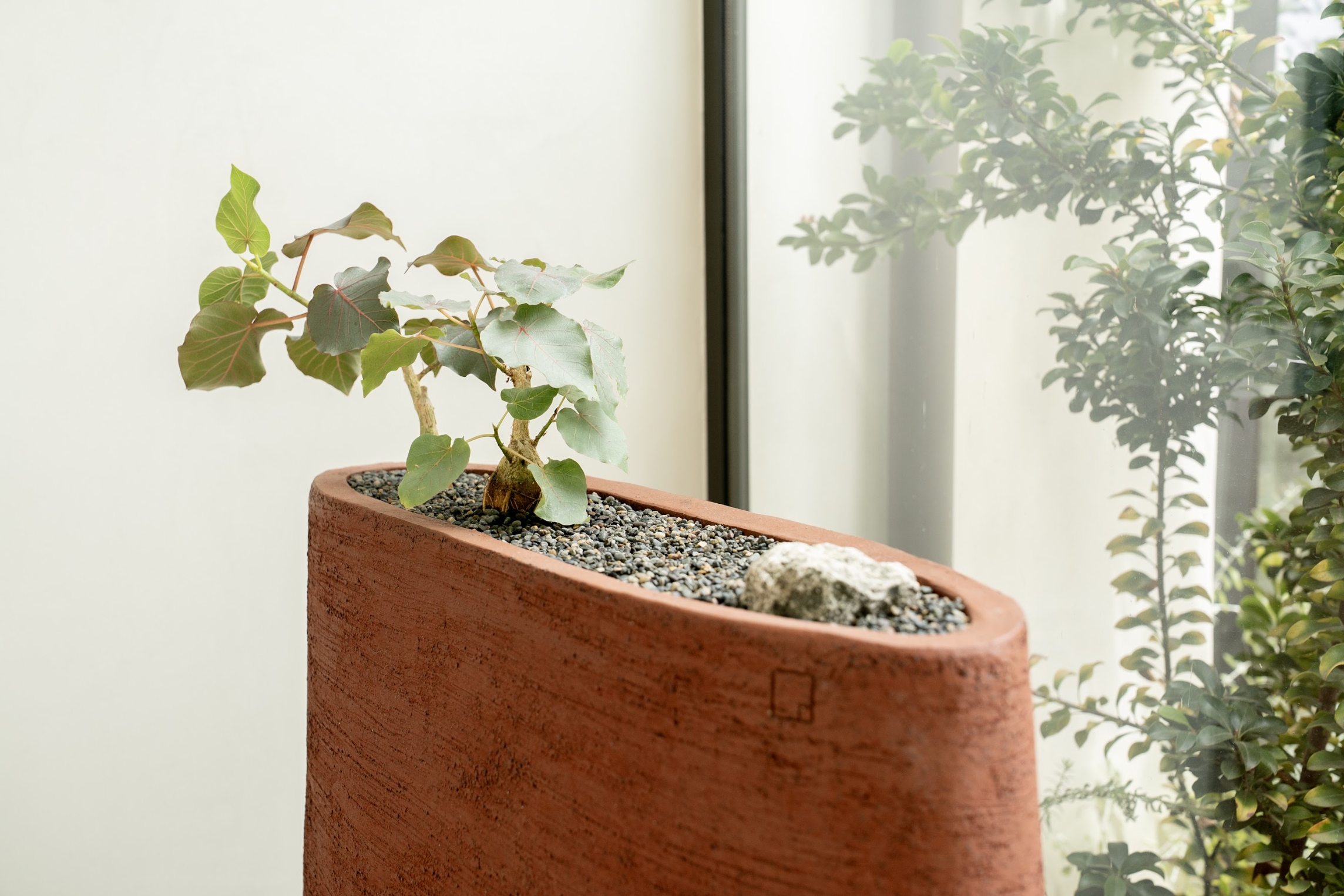
How Do I Know When My Plant Needs to Be Repotted?
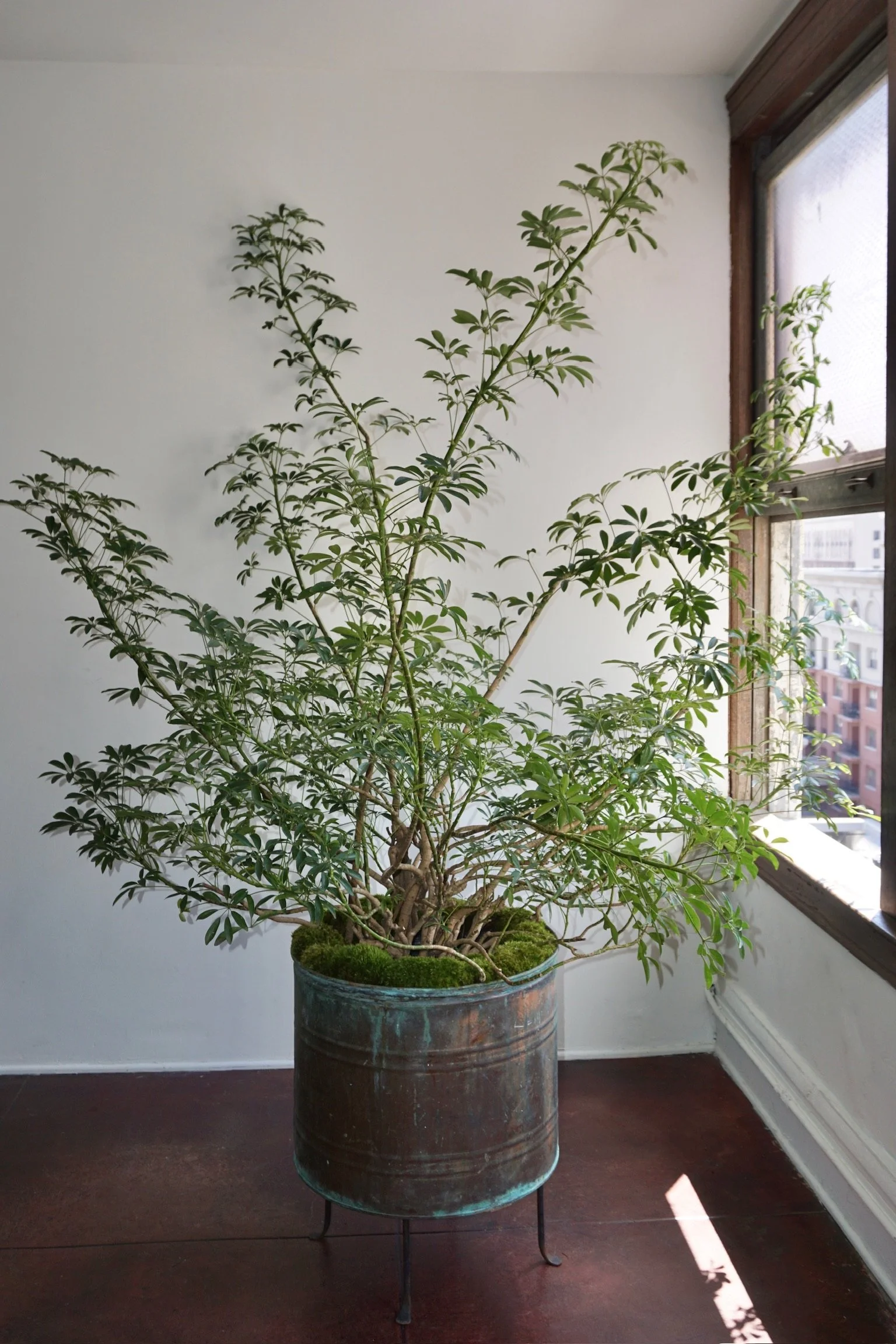
If you love your plants as much as we do, you know they have their own subtle ways of asking for attention. You have learned to listen to their needs and make adjustments accordingly, but something still isn’t quite right. Is it time to give them a new home, fresh soil? How do you tell when it’s time to upgrade their space without overreacting or stressing the roots? In this guide we will walk you through the factors that help us determine when to intervene.
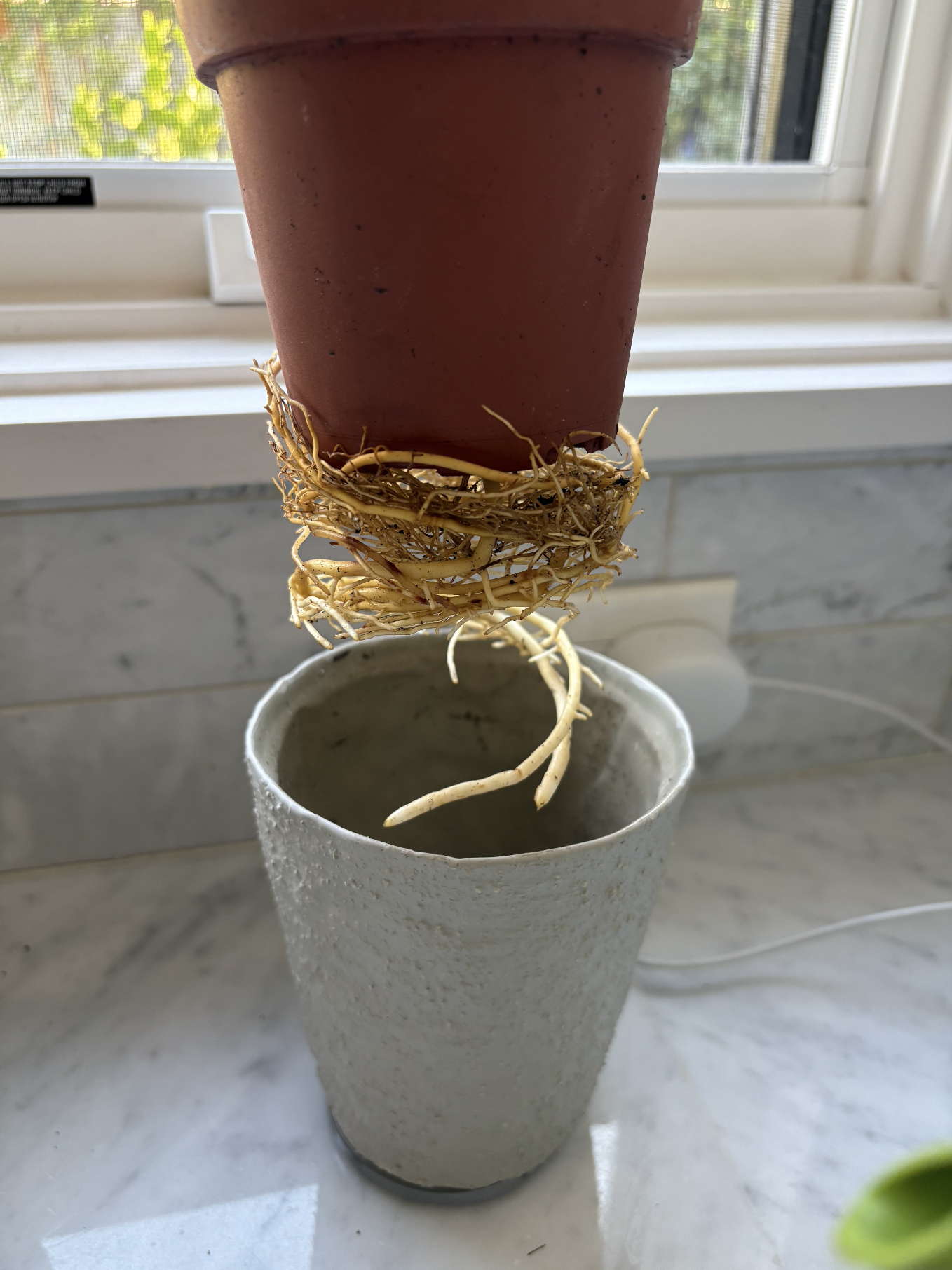
The most obvious sign is when your plant has outgrown its current pot. If you notice roots peeking out of drainage holes or circling the top of the soil, it’s a clear signal that your plant is searching for more room. This is called being root-bound, and it can reduce overall health if left unaddressed.
Another clue is slowed growth. Even healthy plants that receive adequate light, water, and nutrients can hit a plateau if they have nowhere for new roots to grow. If your plant seems lethargic, isn’t producing new leaves, or the leaves are smaller than usual, it may be struggling to access the resources it needs.
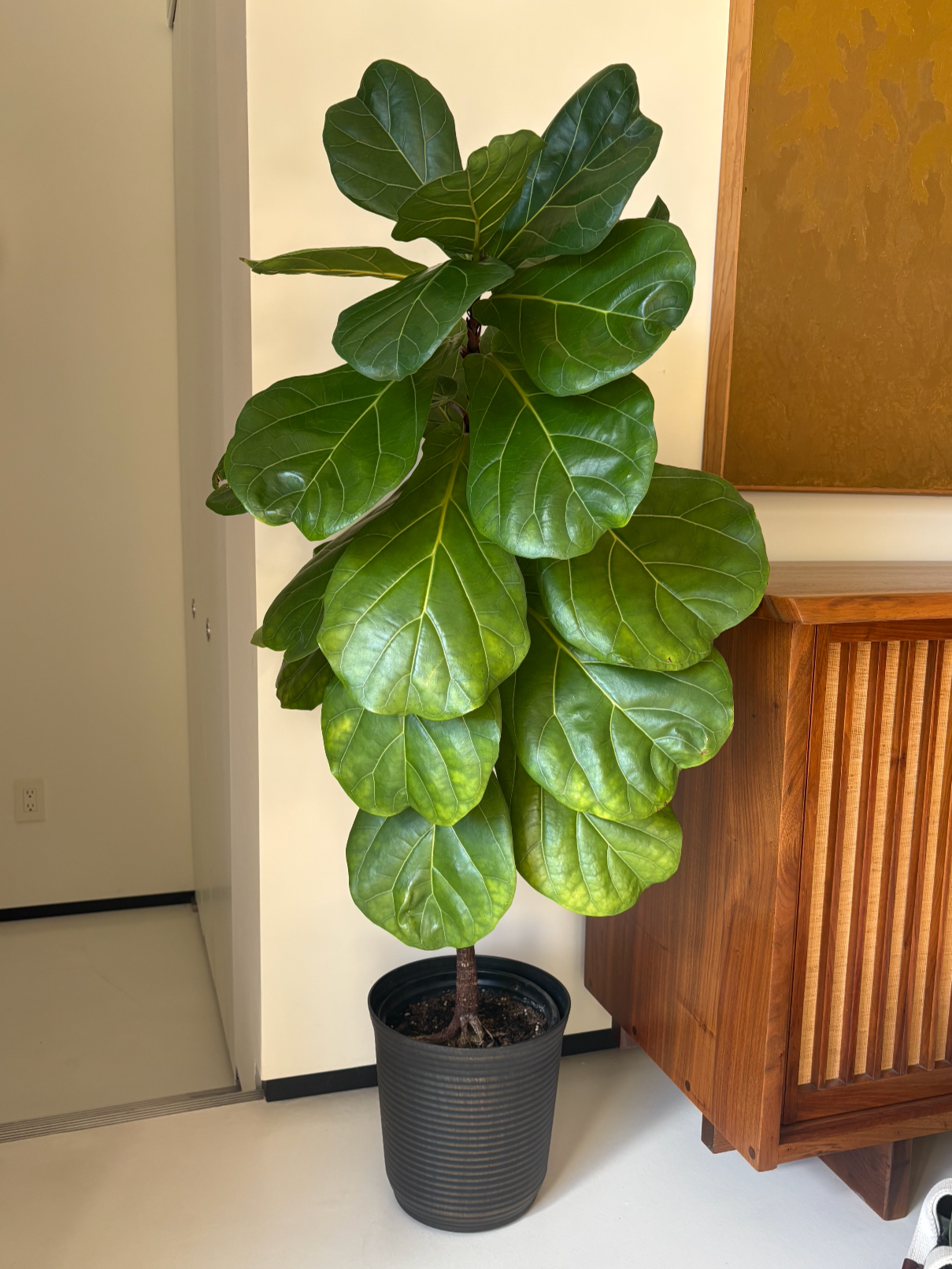
Wilting, yellowing, and dropping leaves can sometimes indicate root stress, but it’s important to differentiate between watering issues and being root-bound. Check the roots gently by sliding the plant out of its pot. Healthy roots are firm and white, whereas roots that have taken over the container may appear dense and tangled. This hands-on inspection is one of the best ways to decide if a repotting is necessary.
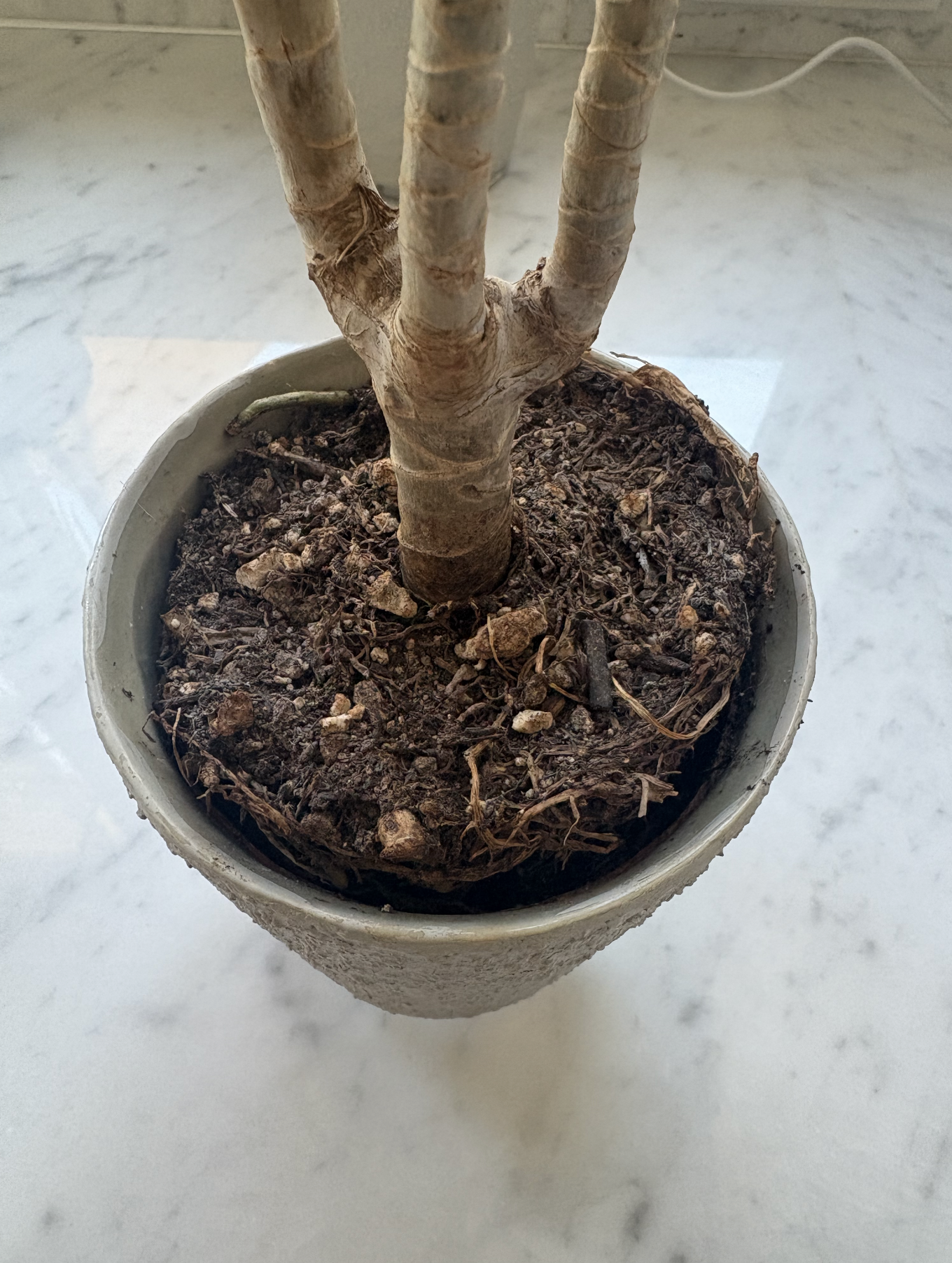
Soil condition is another important factor. Over time, soil can compact, lose nutrients, or develop salt buildup from fertilizers. If water drains too quickly or pools on the surface instead of soaking in, it may be time to refresh the soil. Repotting gives your plant a nutrient-rich environment to thrive in.
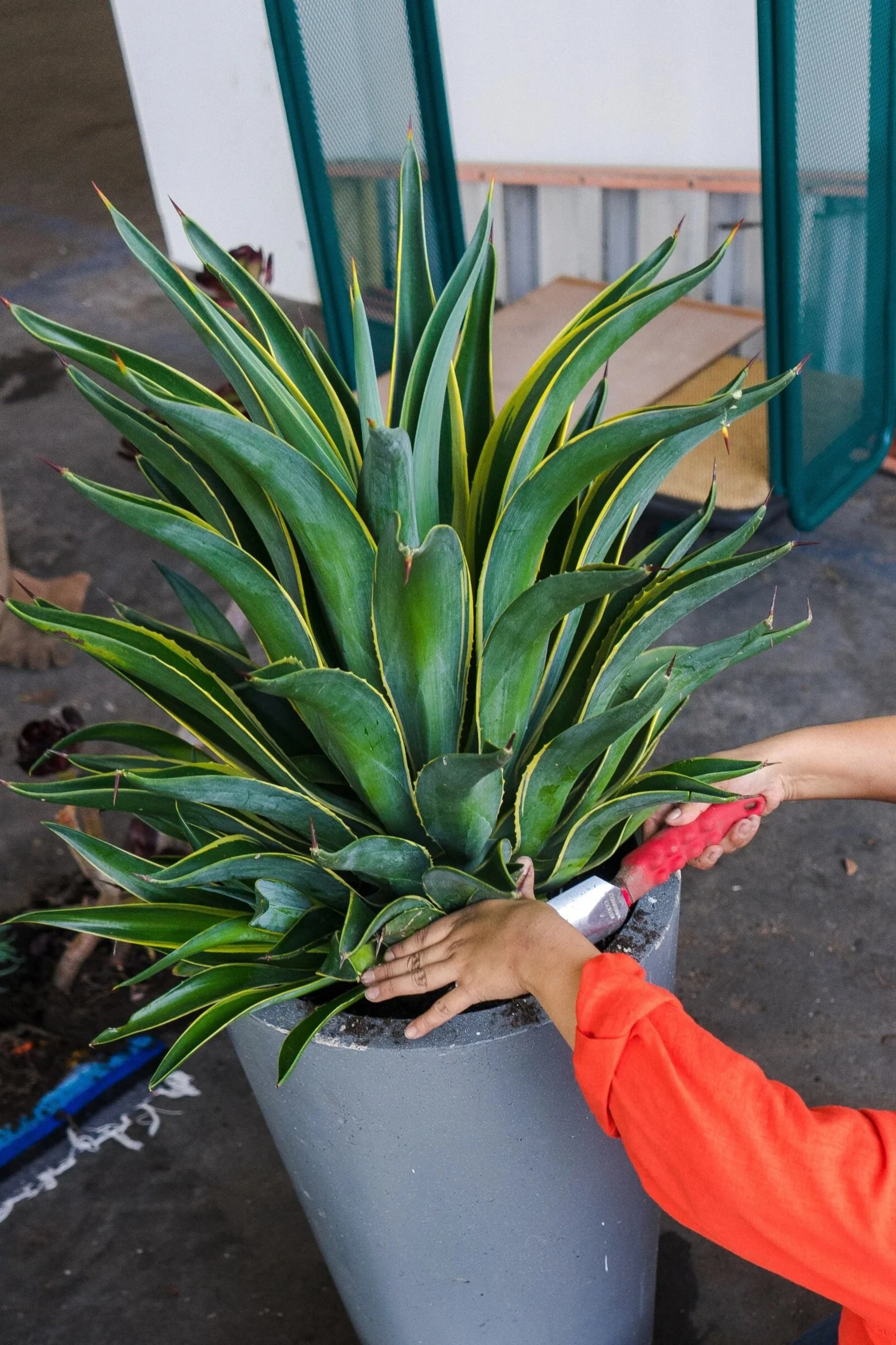
Timing also matters. Most plants do best when repotted during their active growing season, typically spring or early summer. This allows them to recover from the shock and establish themselves in their new environment without slowing down growth. Avoid repotting during dormancy, unless you are addressing a critical issue.
Choosing the right pot size is crucial. A pot that is too large can retain excess water and lead to root rot, while a pot that is slightly bigger than the current one provides room to grow without overwhelming the plant. Usually, selecting a pot one to two inches wider in diameter than the current one is sufficient for most indoor plants.
Repotting can feel intimidating, but it’s also a rewarding way to care for your plant and watch it flourish. With a little observation and gentle handling, you can ensure your leafy friends remain healthy and happy. Paying attention to their subtle signals is part of the joy of plant care and keeps your indoor oasis thriving.