

How to Safely Stake Up Plants Needing Extra Support
When you see a beautiful, tall plant flopping over or sprawling across the floor, you may be tempted to just jam a stick in the soil and hope for the best. Staking, when done thoughtfully, is actually an art form that helps plants grow strong, upright, and healthy without causing damage.
Let’s walk through how to do it safely!
First, how do you know if a plant needs staking? Plants with long stems, large flowers, or heavy fruit often benefit from a little support. Think monsteras, orchids, and citrus trees. If a plant starts tipping over, it’s telling you it needs a shoulder to lean on. Young plants that are top-heavy or grown in soft soil may also need support until their roots can anchor them properly.
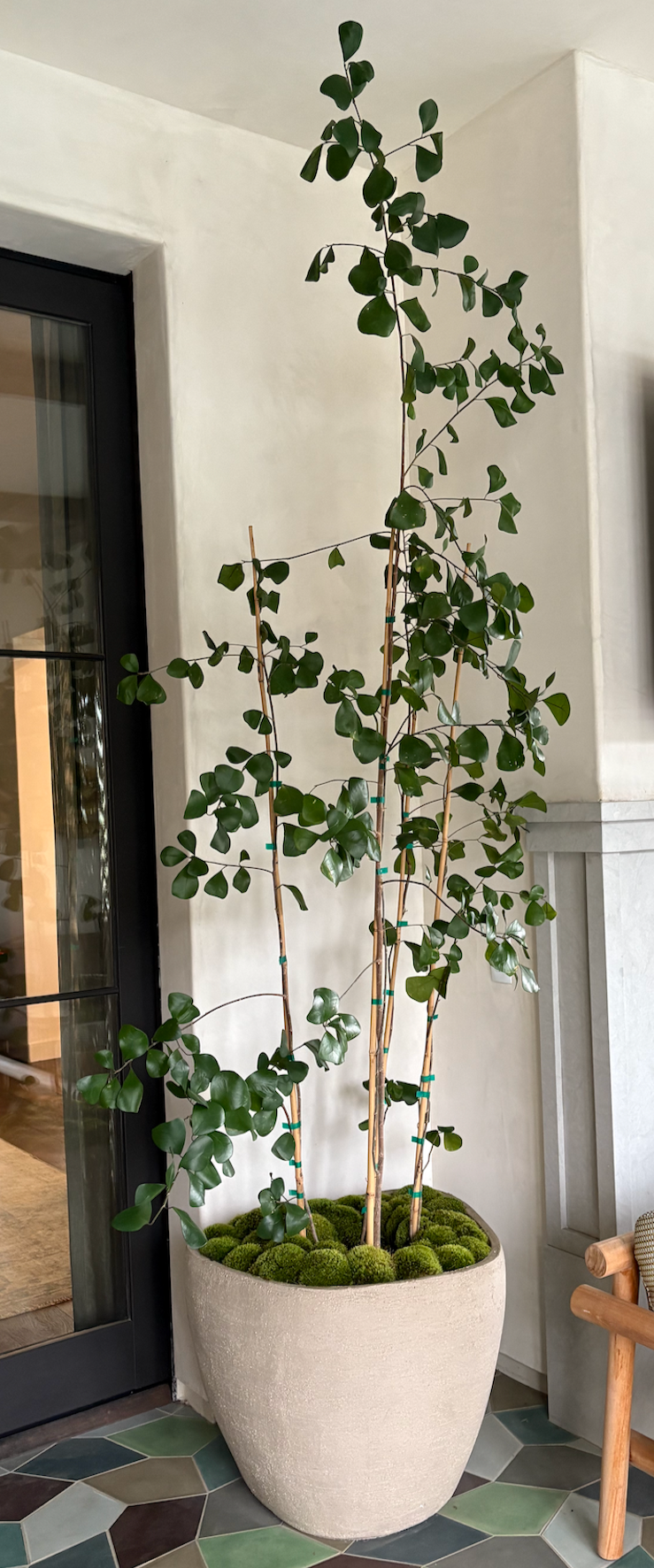
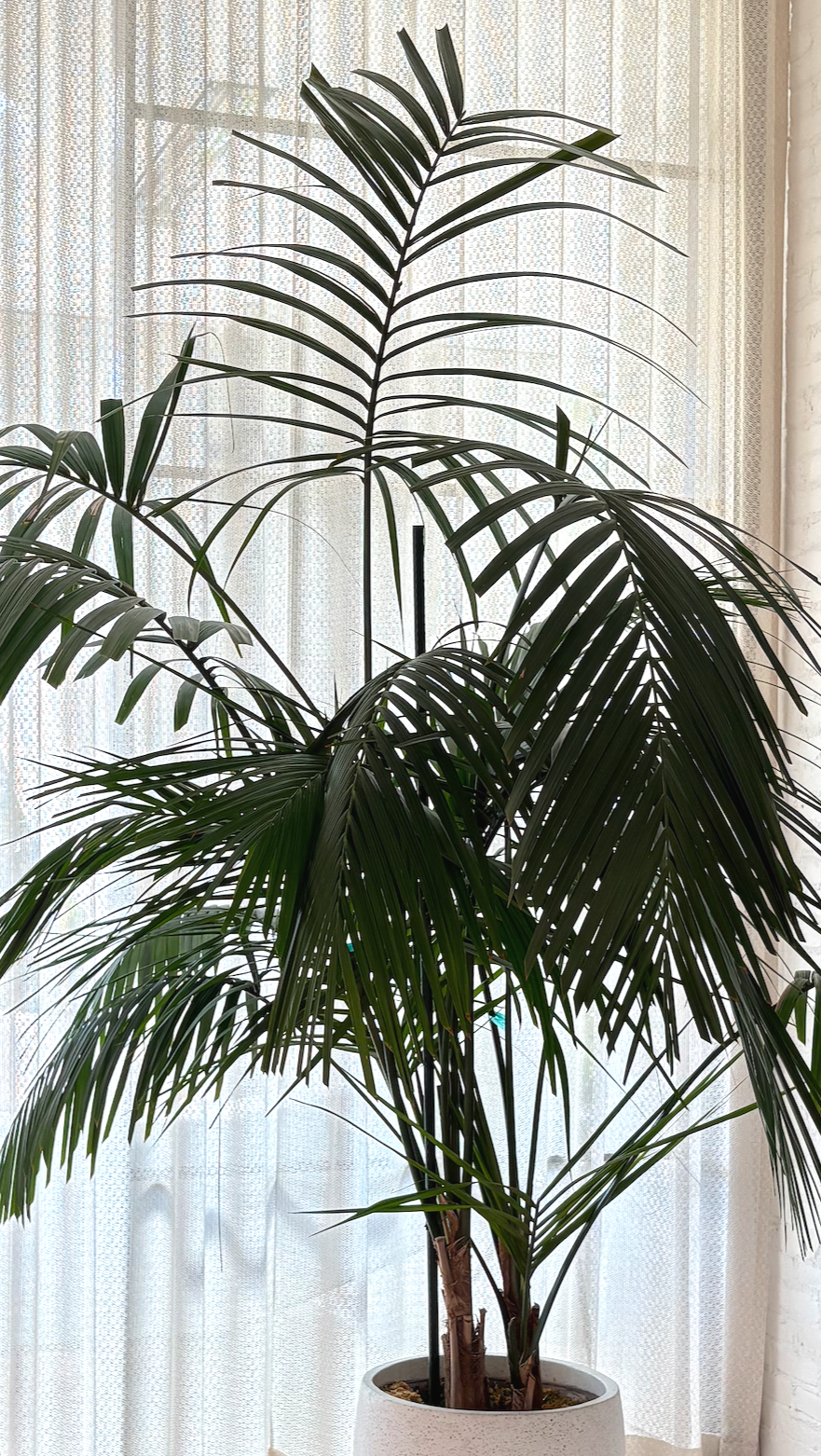
metal stake camouflaged in palm fronds
Before you grab any stick lying around, it helps to know your materials.
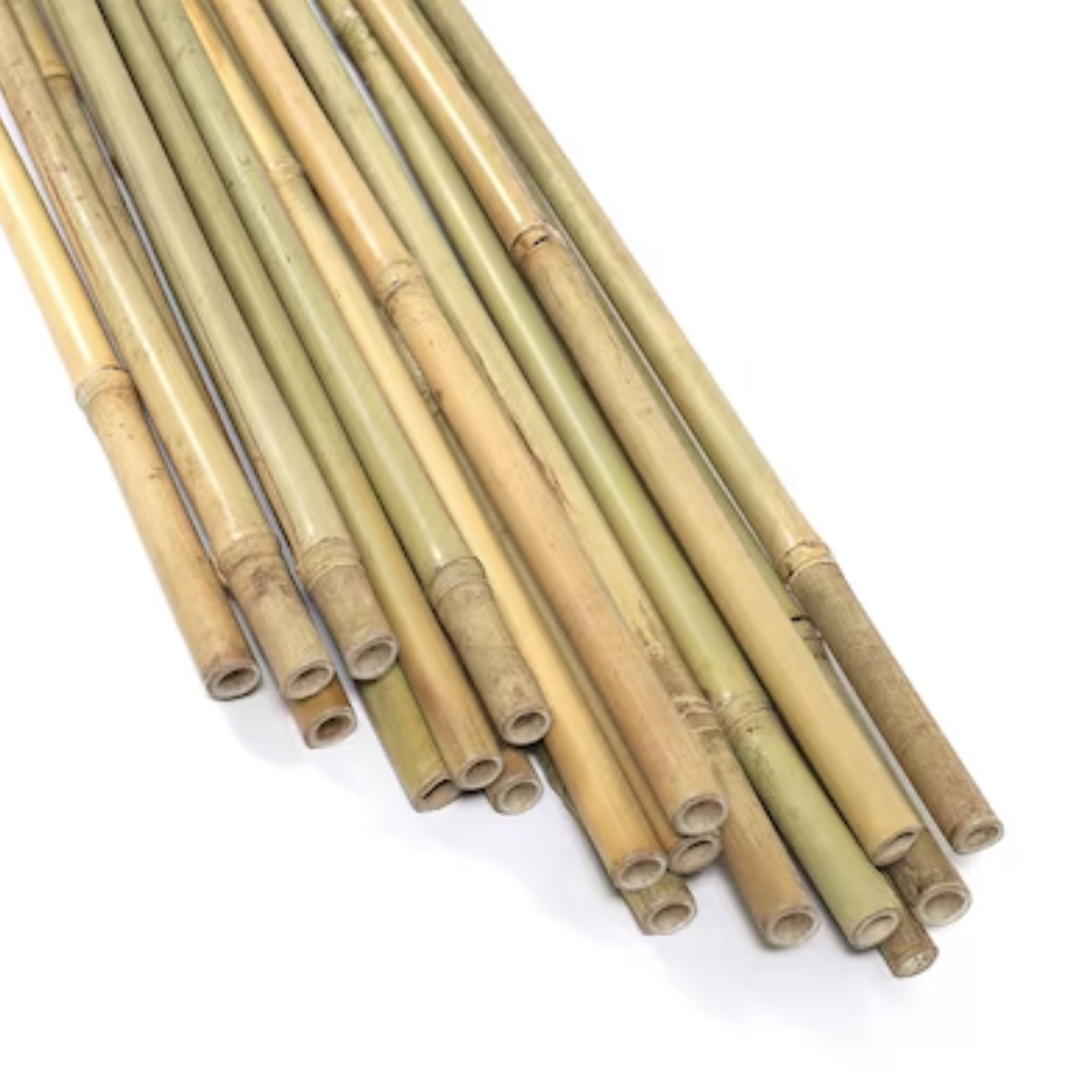
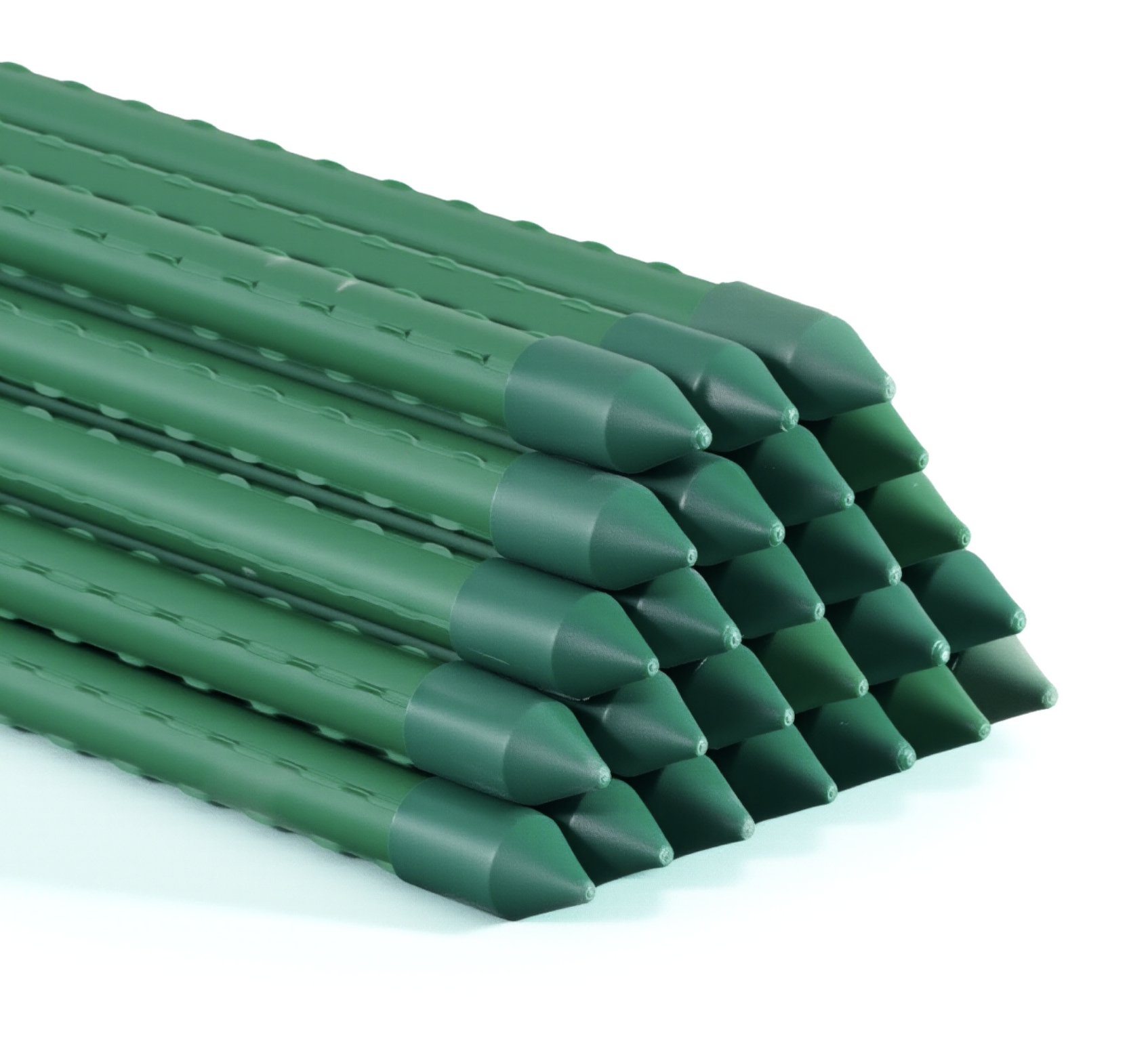
Bamboo stakes, wooden dowels, or metal rods are popular choices because they are sturdy yet gentle, and often made to blend in.
bamboo stakes come in many sizes, thinner are often better suited for smaller plants or flimsy limbs needing gentle structure, while thicker can guide the taller trunks
metal stakes are much stronger and therefor are better for tall, heavy plants needing sturdy support
Soft ties, like garden twine, velcro plant ties, and flexible plant tape work best to attach the plant without cutting into the stems.
Avoid thin wires or anything sharp that could slice the plant as it grows.
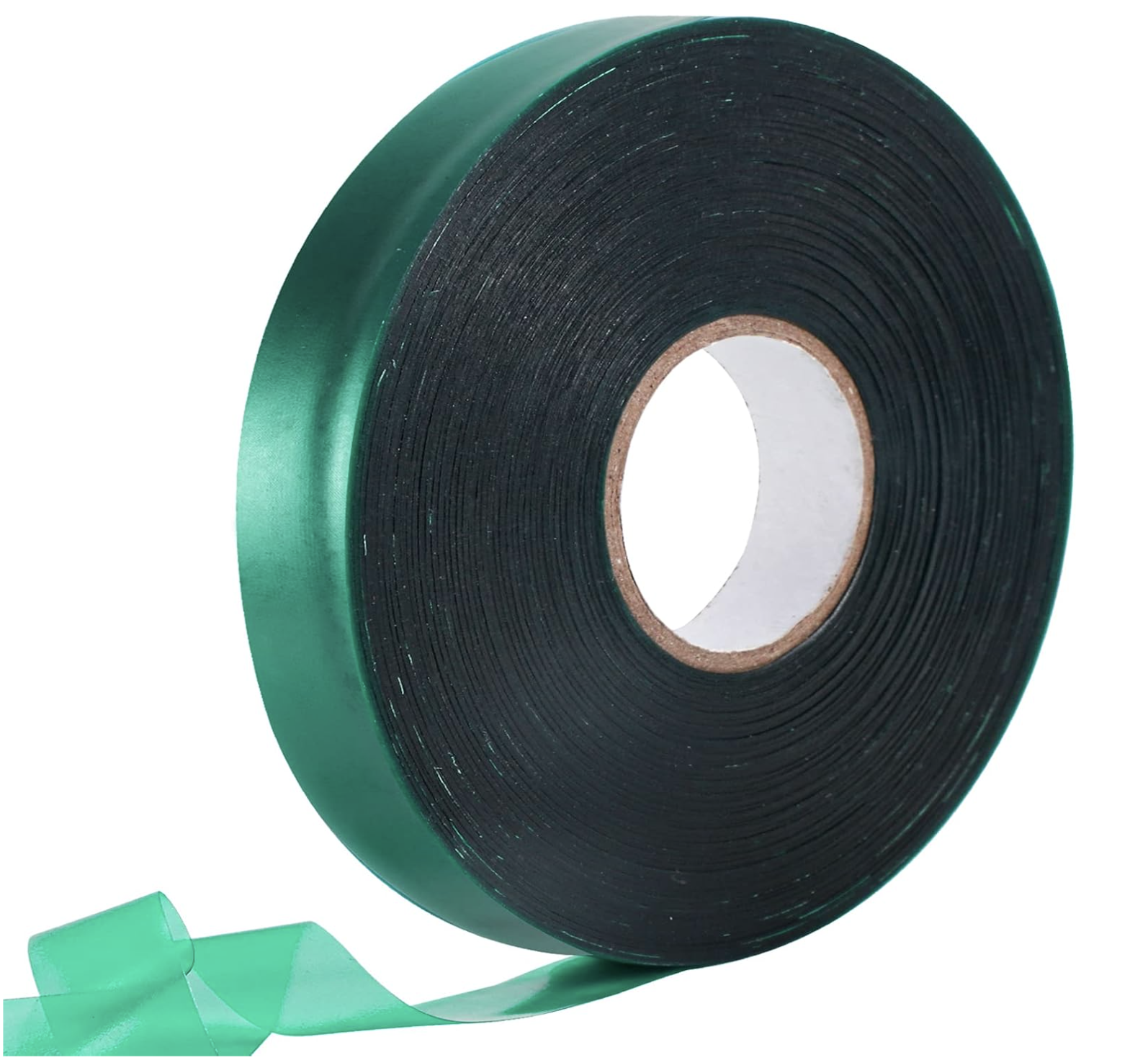
Now comes the careful part—placing the stake. Always insert the stake into the soil a few inches away from the plant’s main stem. This prevents root damage and gives the plant space to grow. If you push the stake too close, you risk piercing roots or compressing the soil, which can stress the plant. Gently push the stake down until it’s deep enough to stay firm, but not so deep that you disturb the roots below.
Attaching the plant to the stake should feel more like a hug than a straitjacket. Wrap ties loosely around the stem and stake, leaving a little wiggle room so the stem can grow and sway naturally. For tall plants, you might need multiple stakes or additional ties at different heights. Keep checking periodically because as the plant grows, you’ll need to adjust the ties to prevent constriction.
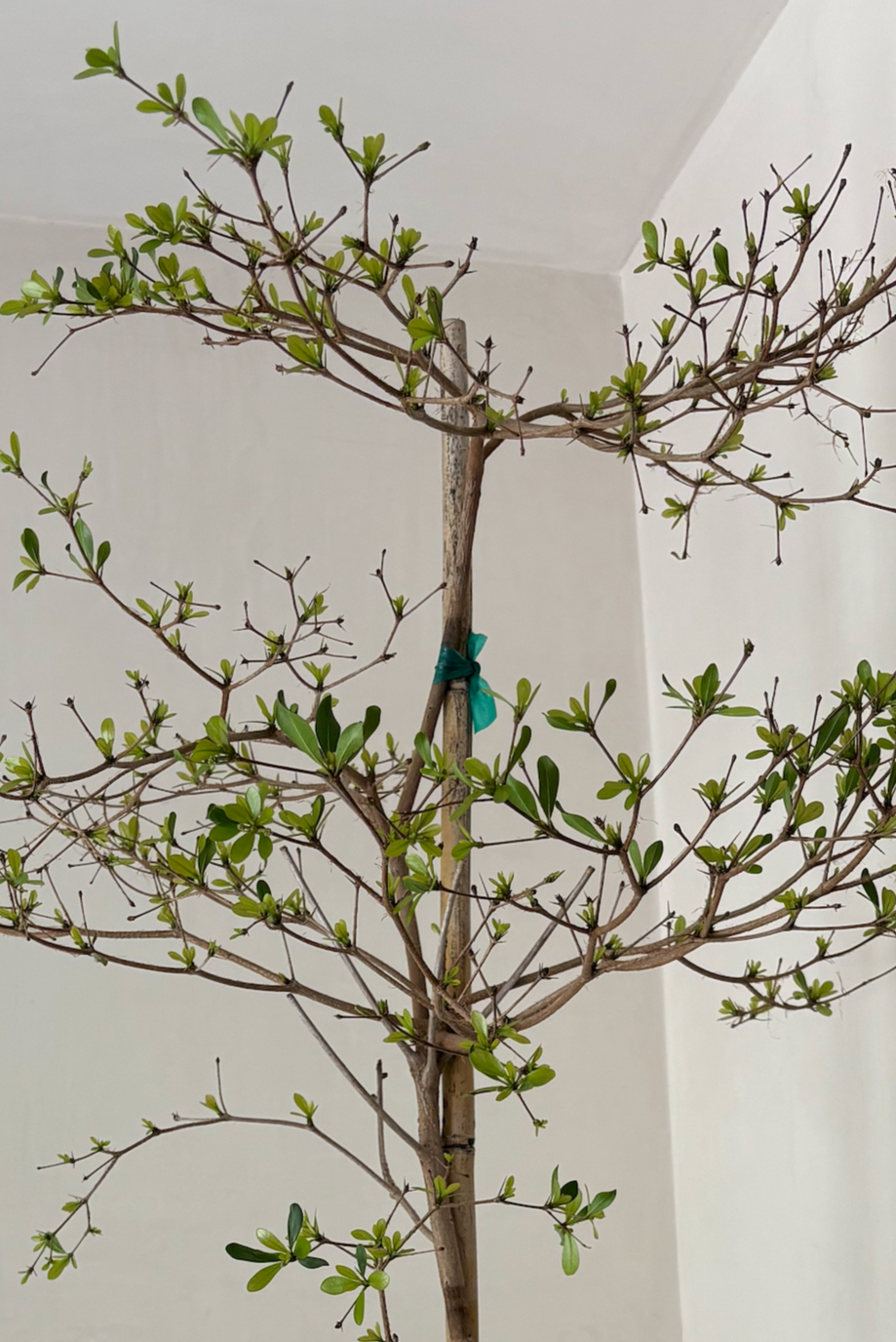
Staking isn’t just about holding a plant upright. It can improve air circulation around leaves, help achieve a desired shape, and even make harvesting easier for fruiting plants. But remember, staking can be a temporary solution in many cases. A well-rooted, mature plant may eventually support itself once it’s grown strong.
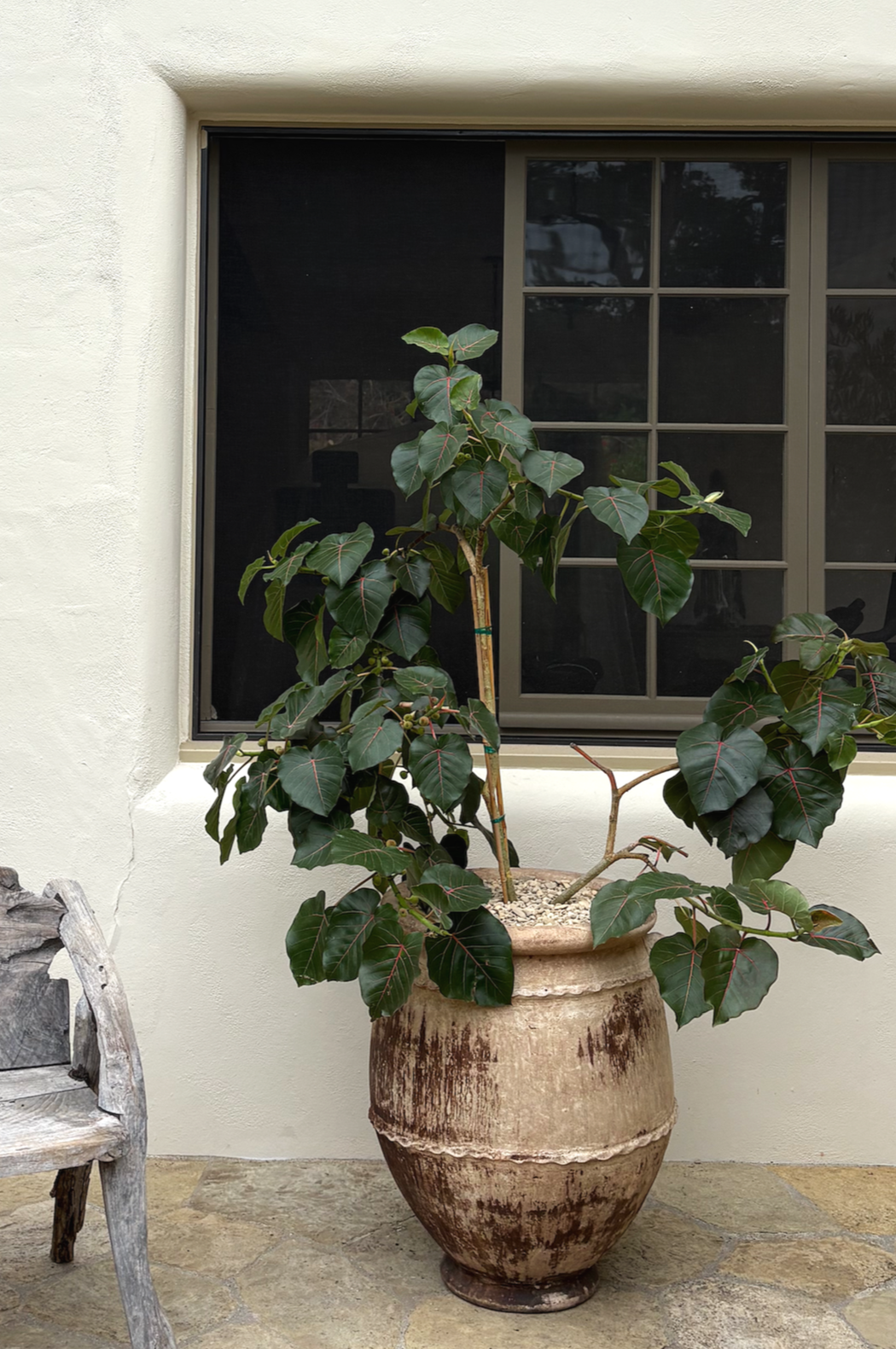
With this mindful approach, staking becomes a simple, safe, and effective way to give your plants the confidence to reach for their strongest selves.
