

Why Some Plants Decline After Installation or Moving Spaces
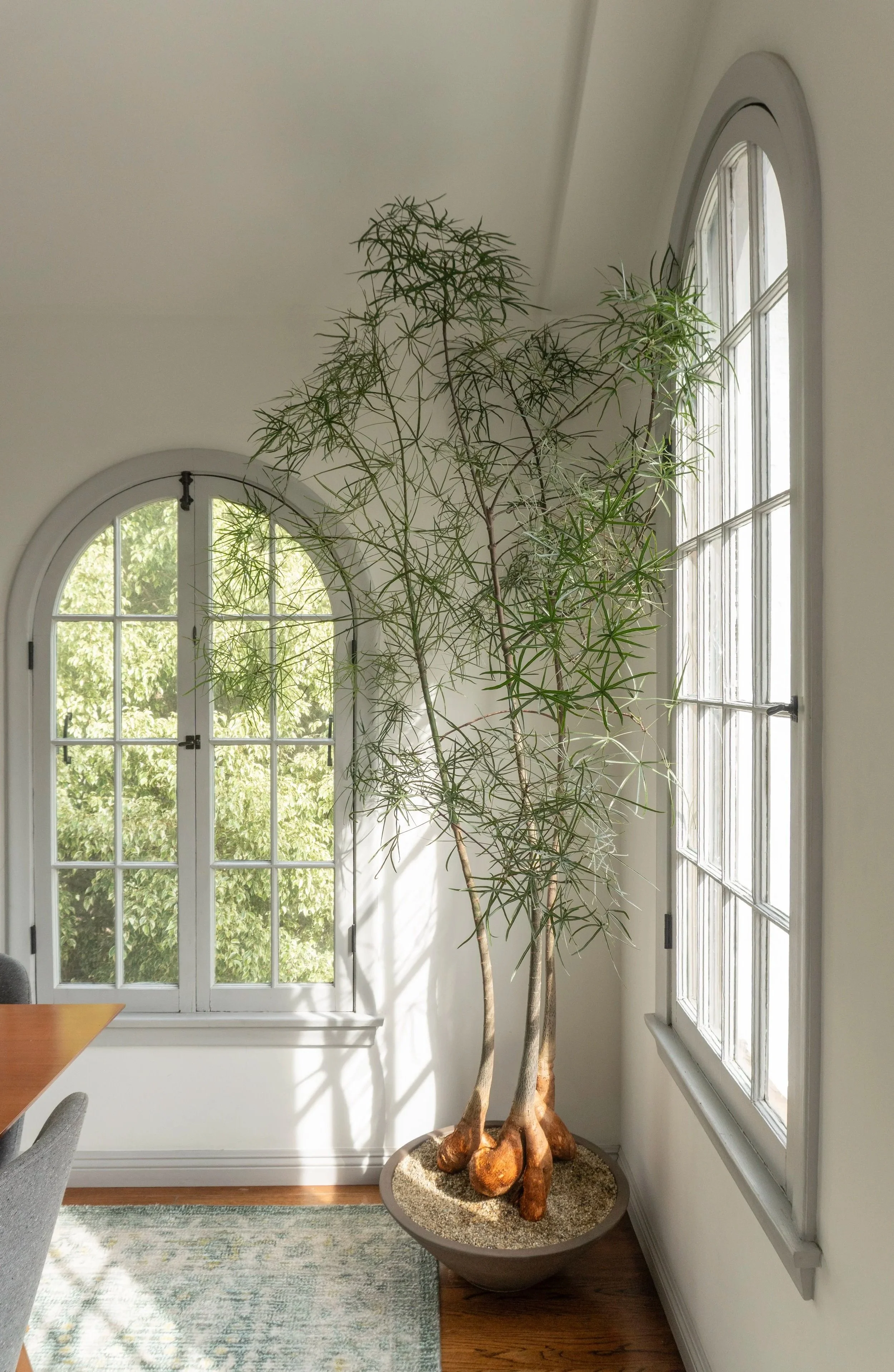
A stunning new plant has been brought into your home, it finds the perfect sunny spot on your desk or living room corner, and everything seems perfect.
Then, a few weeks later, the leaves start drooping, yellowing, or even falling off, and you wonder what went wrong.
The truth is, even the healthiest plants can experience stress when they are moved or installed in a new environment.
Understanding why can help you prevent it and adjust the plant to your home.
The first culprit is often shock from relocation. Plants are sensitive to changes in light, temperature, humidity, and airflow. Even moving a plant a few feet closer to a window or into a new office can disrupt the balance it had established. Sudden exposure to intense sunlight can scorch leaves, while low light may slow growth and make the plant look leggy.
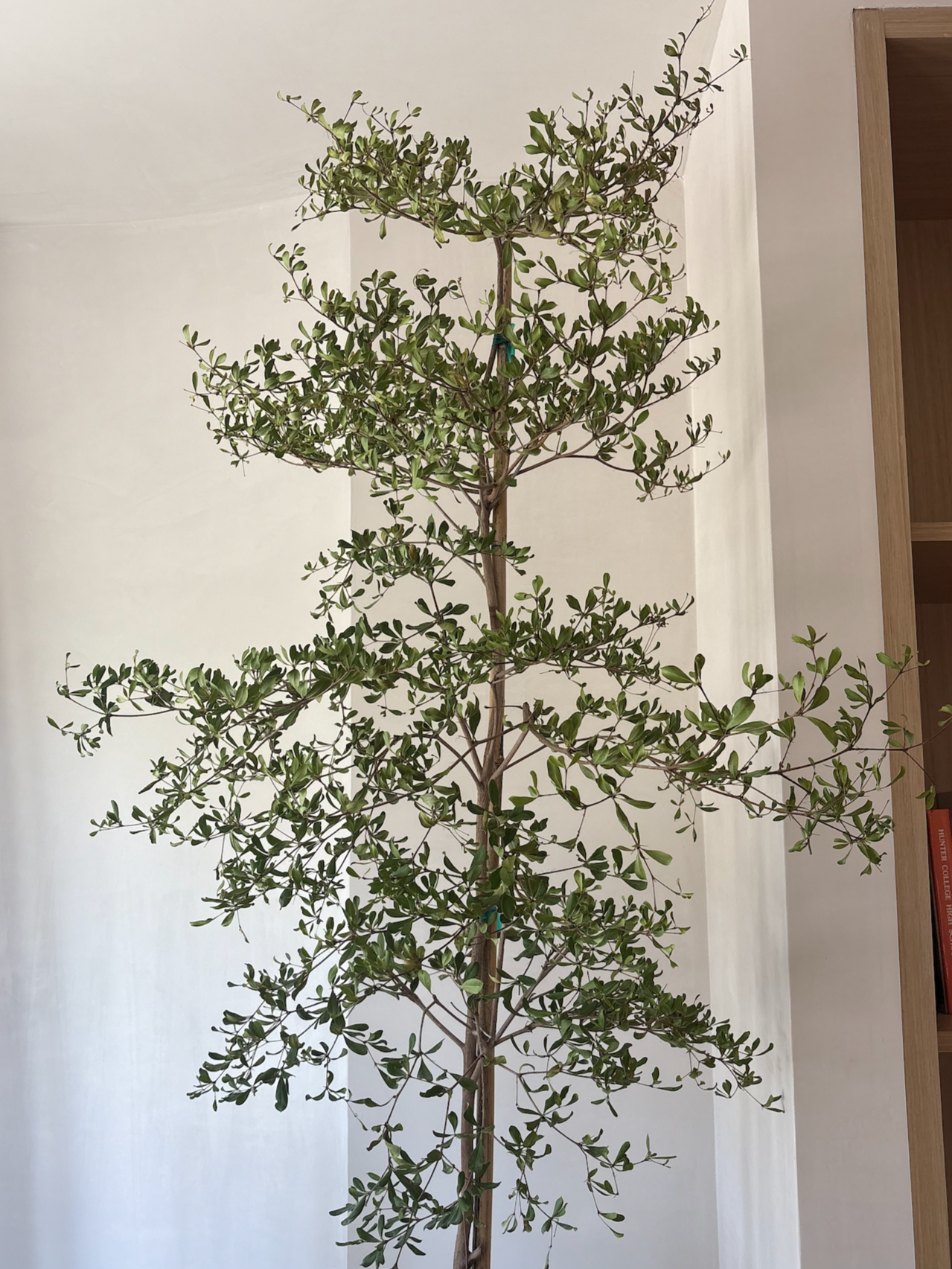
This black olive came from a bright, airy outdoor nursery into a shaded climate controlled space. Just days after install the leaves began to curl.
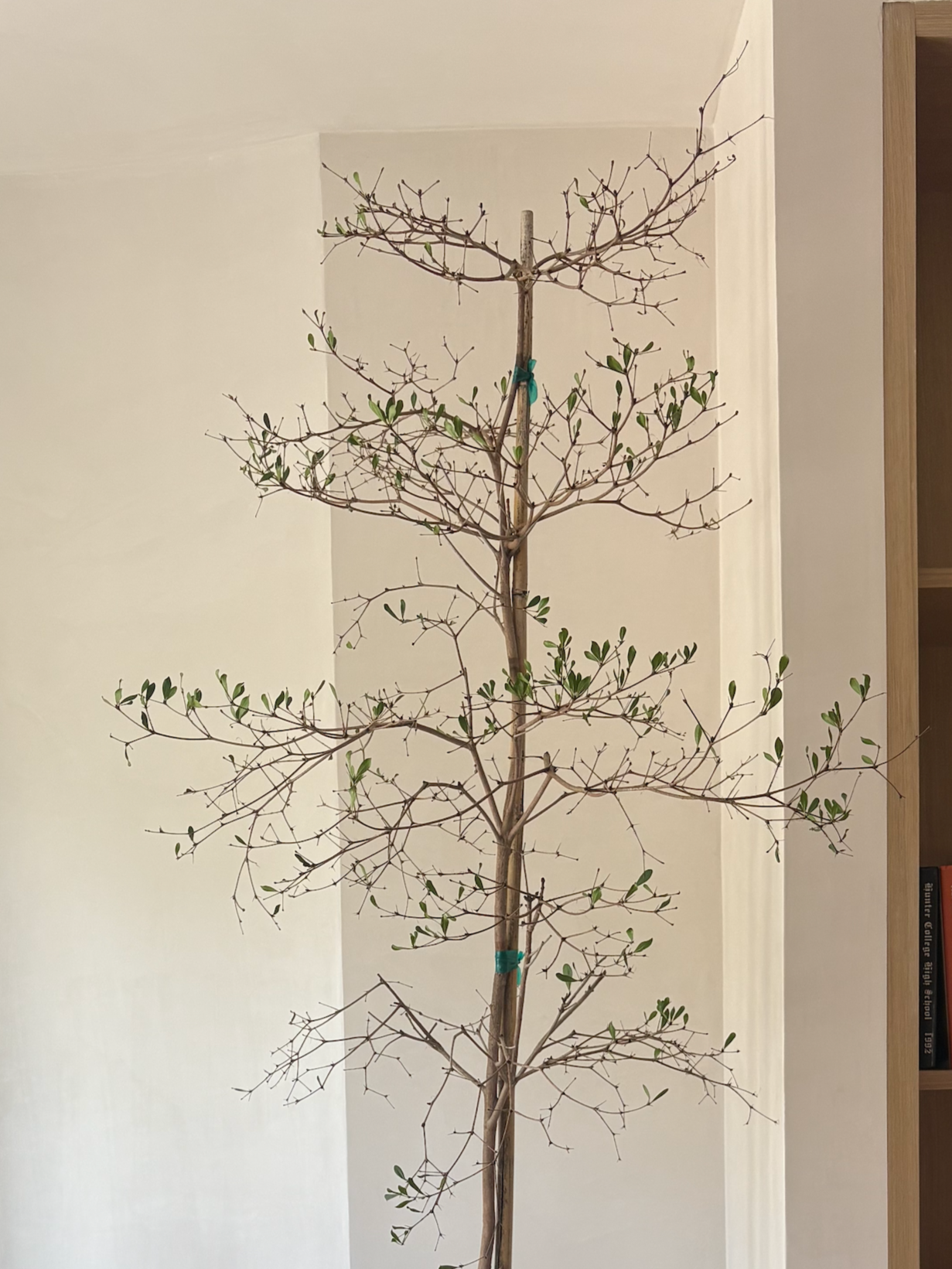
Two weeks after install, a majority of the leaves crisped and fell off. Stress from the change in light, airflow, and water signaled the tree to shed it leaves to conserve its energy.
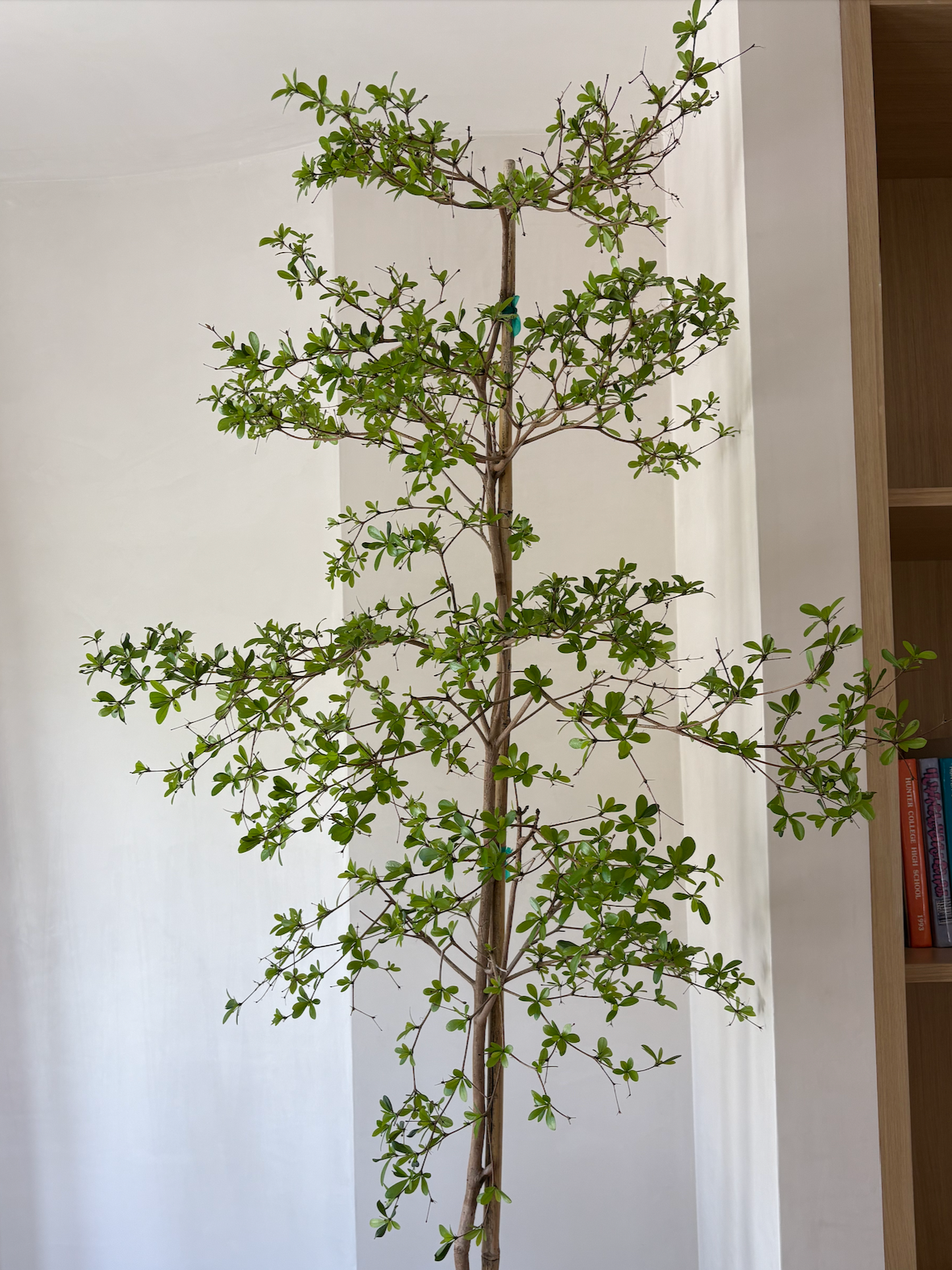
Three weeks after the shed, the tree had adjusted to it’s new home and light levels. Sensitive a dramatic, but made for a fresh start for the tree and space.
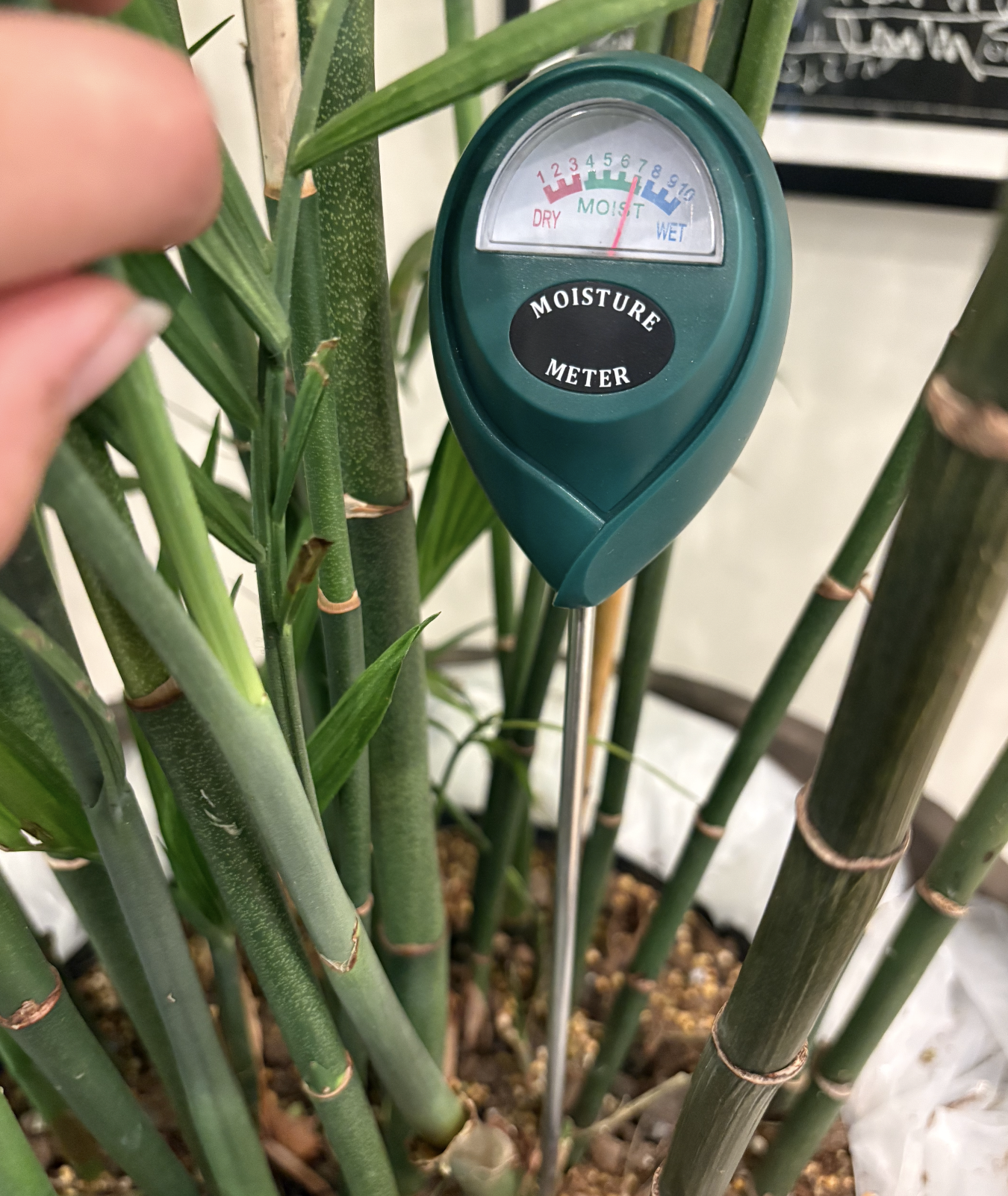
Another common factor is water stress. Newly moved plants may need adjustments in watering routines. Soil that was perfect in a nursery or previous location may dry out faster in a sunlit office or hold moisture too long in a stuffy corner. Both under and overwatering can lead to yellow leaves, wilting, or root problems. Checking soil moisture regularly can help you tailor your watering to the new environment.
Temperature and drafts can also be sneaky enemies. Many tropical plants thrive in stable warmth, but cold drafts from doors, vents, or air conditioning can shock them. Conversely, a heater blowing directly on leaves can dry out foliage or damage delicate growth. Plants acclimate slowly, so it’s best to avoid drastic changes in temperature during or shortly after moving.
Humidity changes are another often-overlooked factor. Indoor environments, especially offices with central heating or air conditioning, can be much drier than the plant’s original environment. Low humidity can cause leaf tips to brown, leaves to curl, or slower growth overall. Using a humidity tray or grouping plants together can help recreate a more comfortable microclimate.
Finally, stress can make plants more vulnerable to pests and diseases. Even minor disturbances in their environment can weaken defenses, making it easier for insects or fungal problems to take hold. Observing your plant closely after relocation and addressing issues promptly is essential to prevent small problems from becoming bigger ones.
The key takeaway is that plant decline after moving is usually temporary. With proper care, patience, and attention to their new light, water, temperature, and humidity conditions, most plants recover fully. Think of it as helping your leafy friend settle into a new home—sometimes a little tender loving care is all they need to thrive.
